
Our Team
-

Kimber bijii'sih Olson, MSW, PhD
Kimber is an enrolled member of the Chiricahua Apache Mimbres Band Nation with Cayuga and European ancestors, and is the Founder, CEO & Principal Consultant of Juniper & Pine Consulting LLC.
Dr. Olson designs and delivers culturally grounded, healing-centered trainings for Tribal Nations, with emphasis on Indigenous regulation, trauma-responsive systems, and stewardship-based leadership. Her work bridges Indigenous knowledge systems, neuroscience, and community practice to strengthen family wellbeing, staff wellness, and social service ecosystems.
Olson is an Indigenous Partnerships and Health Systems expert, with over thirty years of experience partnering to advance the health and well-being of North American Indigenous and Alaska Native communities, providing training and technical assistance in the areas of early childhood education, Tribal vocational rehabilitation, behavioral health, and systems building. Her doctoral dissertation, completed for a PhD in Psychology with a focus on grief counseling and an emphasis on Indigenous Ways of Knowing and Healing, explores how contemporary healing methods have origins in and connections with Indigenous knowledge systems.
Inviting the Sacred Wound into Circle: Re-Storying an Indigenous Mind-Body Medicine Framework for Healing is based on Kimber’s passion for service-driven work in Indigenous communities.
Kimber knows from deep personal experience that western science is a good start. Still, it is flawed in its inability to incorporate Spirit, to see beyond the known world, or to integrate cultural aspects of Native science and medicine into the healing process. “pinu’u echicasay…I am all my relations” is her foundational healing belief. yenáda'ilzih… that's how we are healed.
You can read Kimber’s journal articles:
Re-Storying Health Promotion Models Toward Population Sovereignty,
Braiding Neuroscience, Decolonization, and Mental Wellness, and
Pathway to Hope: An Indigenous Approach to Healing Child Sexual Abuse
or order the book she co-authored here: The Thursday Group.
-
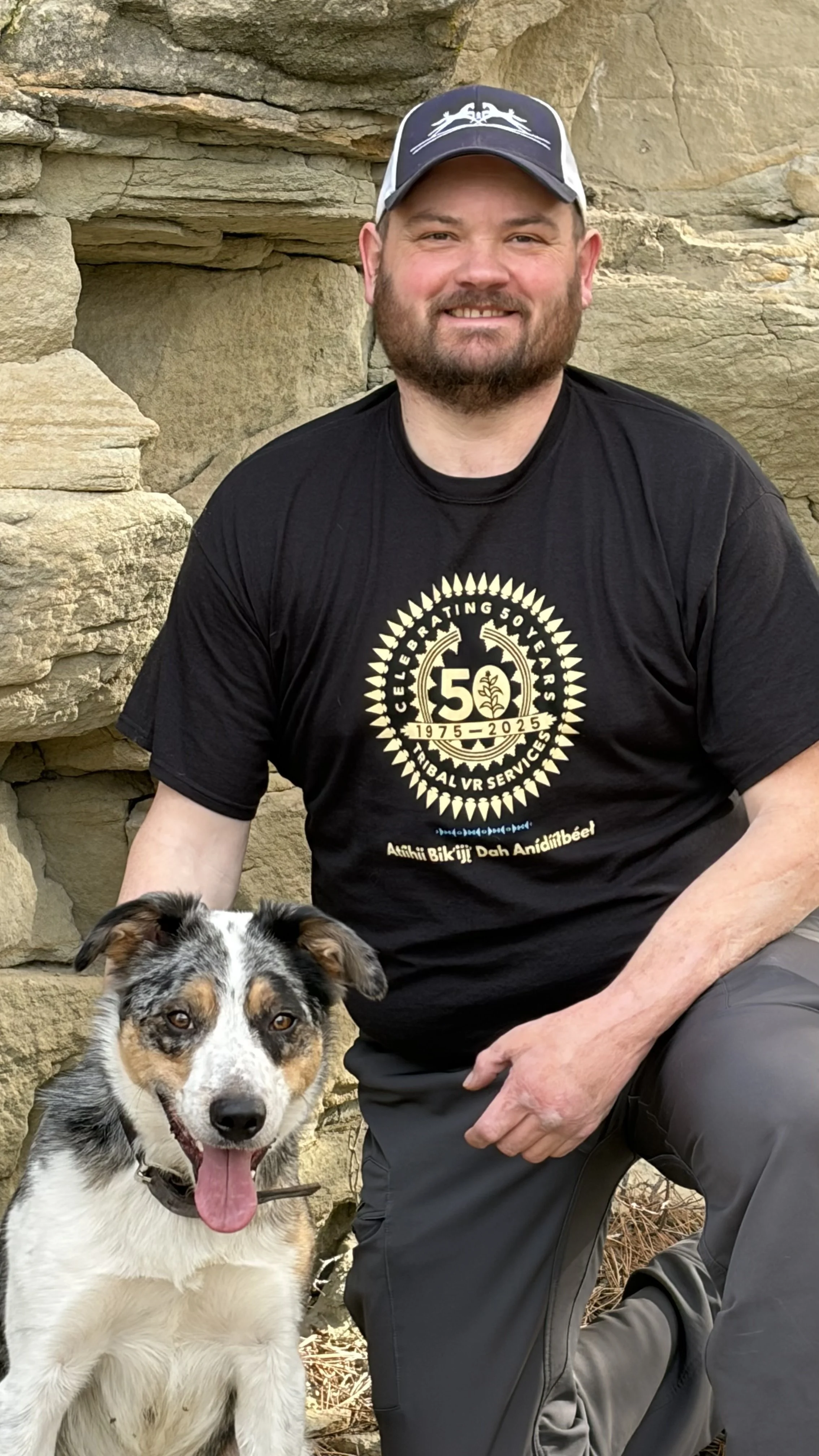
Wayne Dagel, MS, LCPC
With over 20 years of experience in the vocational rehabilitation world, Wayne Dagel's career is marked by his dedication and unique perspective as a first-generation descendant of the Romsa family of the Blackfeet Tribe. His journey began in 1996 as a client of vocational rehabilitation after a motor vehicle accident resulted in a spinal cord injury. This experience provides him with a deep, personal understanding of the field.
Mr. Dagel has held numerous leadership and counseling roles throughout his career. He served as a vocational rehabilitation (VR) counselor for the State of Montana for eight years and as an AIVRS project director for the Northern Cheyenne Chief Dull Knife College VR program. Currently, he is the director of the American Indian Vocational Rehabilitation Training and Technical Assistance Center (AIVRTTAC) project at Northern Arizona University His extensive knowledge of State and AIVRS systems allows him to network with multiple state VR agencies, federal RSA staff, and AIVRS projects to provide resources to meet varied needs. He has also developed, managed, and implemented many disability and employment-focused programs.
As the owner of Perspectives Counseling & Consulting, Mr. Dagel provides individual, family, group, and equine-assisted therapy. He works with a diverse caseload of youth and adults, predominantly American Indian. He approaches his therapy from the lens of a Blackfeet man with a biracial background, utilizing his experiential knowledge of trauma, emotional abuse, and generational historical trauma.
Another key area of his work is providing specialized training for Indigenous communities. His training focuses on identifying the levels and types of trauma found in American Indian populations. He discusses the impact trauma has on the brain and presents methodologies for treatment. The training also explores the connection between substance use and generational historical trauma, concluding with a discussion on how to use the Seven Sacred Teachings in the recovery process. Mr. Dagel supports clients in developing a sense of self, building positive self-value, and engaging in a healthy lifestyle to continue their journey of managing trauma and addiction characteristics.
Meet Wayne online at the We Are Unspoken Words podcast here: https://unspokenwords2020.podbean.com/
Join Wayne and Kimber as they talk about Indigenous Leadership here: https://cmbm.zoom.us/rec/share/TUBVgvyRBIawivN8Ye5eove-_8gab-dCbjOOTwnK2Z1iLkLhWmU_pSh5GExcjbEi.3jr0jnE6-HBAbszr?startTime=1786470240000
Passcode: Y+3A#MN7
-

Erin D. Dixon
Erin D. Dixon is an enrolled Tribal member of the Nabahé Diné Tribe, also known as the Navajo Nation. She is a Kinlichii'nii clan member, born to the Tachii'nii clan, and currently resides in Shiprock, NM, on the Northern Navajo Nation.
Erin lives her work and life through the lens of universal kinship for all beings seen and unseen.
She is the founder of Shining Stone Wellness, LLC, specializing in the integration of a spectrum of mind-body practices to aid in the holistic wellbeing of her client relatives through a lived experience of culture, connection and authenticity.
Erin holds multifaceted knowledge and certifications in perinatal education through the Ninde Doula Program and Mind-Body medicine skills facilitation through The Center for Mind Body Medicine.
Join Erin and Kimber as they visit about mind-body medicine ancestral practices here: https://cmbm.zoom.us/rec/share/dK5XINzLVLe0ZnW-GLgHjdRvk4zIG1vrshTzzVrYqsdSGhoY2aY22fyLUi251fc.ewVklVtWhDJDH_te?startTime=1786487023000
Passcode: ND#+U0$C
-
C. Allison Baez, PhD
C. Allison Baez, PhD, is an Indigenous educator and researcher. She is a member of the Tap Pilam Coahuiltecan (Mission Indian) from Yanaguana in South Texas (Land of the Spirit Waters) and is of European descent. Dr. Baez has shared her expertise with K-12, higher education, and behavioral health settings for over 25 years.
Dr. Baez’s research focuses on Native populations that implement best practices within their cultural lens. She believes it is her responsibility to learn from and serve Indigenous communities. Her cross-cultural work has allowed her to learn firsthand from Indigenous relatives who are the Māori of New Zealand and the Aboriginal and Torres Strait Islanders of Australia. With these experiences, her services strengthen and empower American Indian and Alaska Native individuals, families, and communities.
Today, Dr. Baez continues to serve Indigenous populations while sharing, collaborating, and educating on culturally responsive approaches and methodologies. Her publications as a researcher focus on the healing of Indigenous communities, implementing practice-based evidence rooted in traditional ways of knowing, being, and doing. She received her doctorate from the University of the Incarnate Word in San Antonio, TX.
-
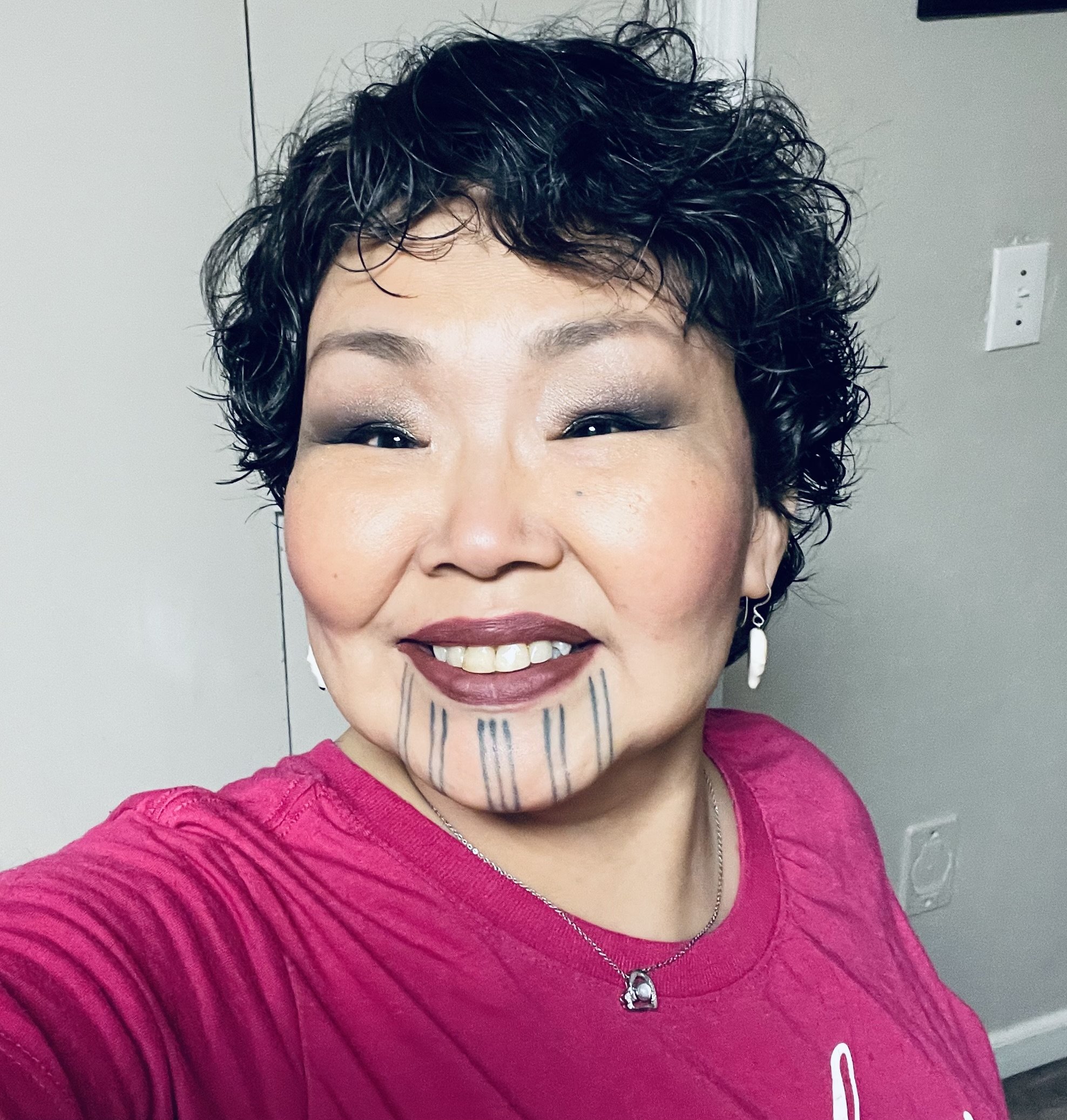
Yaari Walker
Whanga atepika Yaari. Nengyughpama atiqegkaqanga ateghmineng. Ramkeka Aymaramka, amaalleqa Sanighmelnguq.
Yaari Walker’s real name is Yaari, a name passed to her by her great-grandmother Yaari. Her clan is Aymaramka and her subclan is Sanighmelnguq. She is originally from the village of Savoonga on St. Lawrence Island, Alaska. She is the wife of Marq Walker of High Point, North Carolina, and is a mother and a grandmother.
Yaari Walker is a traditional healer who comes from a long line of healers and is deeply committed to serving and educating people through culturally grounded healing. She believes that Indigenous cultures themselves are healing and that Indigenous languages carry teachings about resiliency, spirituality, personal growth, relationships, and connection with all surroundings, including Kiyaghneq, the Creator.
Her teachings are rooted in the understanding that everything is alive and carries spirit. Water, as a life-giving and conscious source, holds particular importance in her worldview. Because of this, Yaari emphasizes the responsibility humans carry in their words, recognizing that words have the power to heal or to harm.
Professionally, Yaari brings decades of experience in cultural education, youth development, advocacy, and community healing. She served for many years at the Alaska Native Heritage Center as a Cultural Programs Coordinator, Instructor, and Tribal Healer, where she taught traditional stories, dances, arts, subsistence practices, and facilitated cultural awareness workshops for communities, agencies, and organizations. Her background also includes work as a youth development specialist, domestic violence advocate, and community leader in rural Alaska. She is the author of Aatak Ayguumun Angwaaghnaqi: Keep Paddling Against the Wind, and sells made-in-Alaska organic lip balms and traditional salves and teaches about Alaska Native cultures at www.riiglluk.com.
Yaari Walker is dedicated to decolonizing systems that serve Indigenous people by restoring ancestral methods that support balance of mind, body, and spirit. She continues to serve as a cultural educator and healer, offering Indigenous knowledge and history as a path toward collective healing.
-
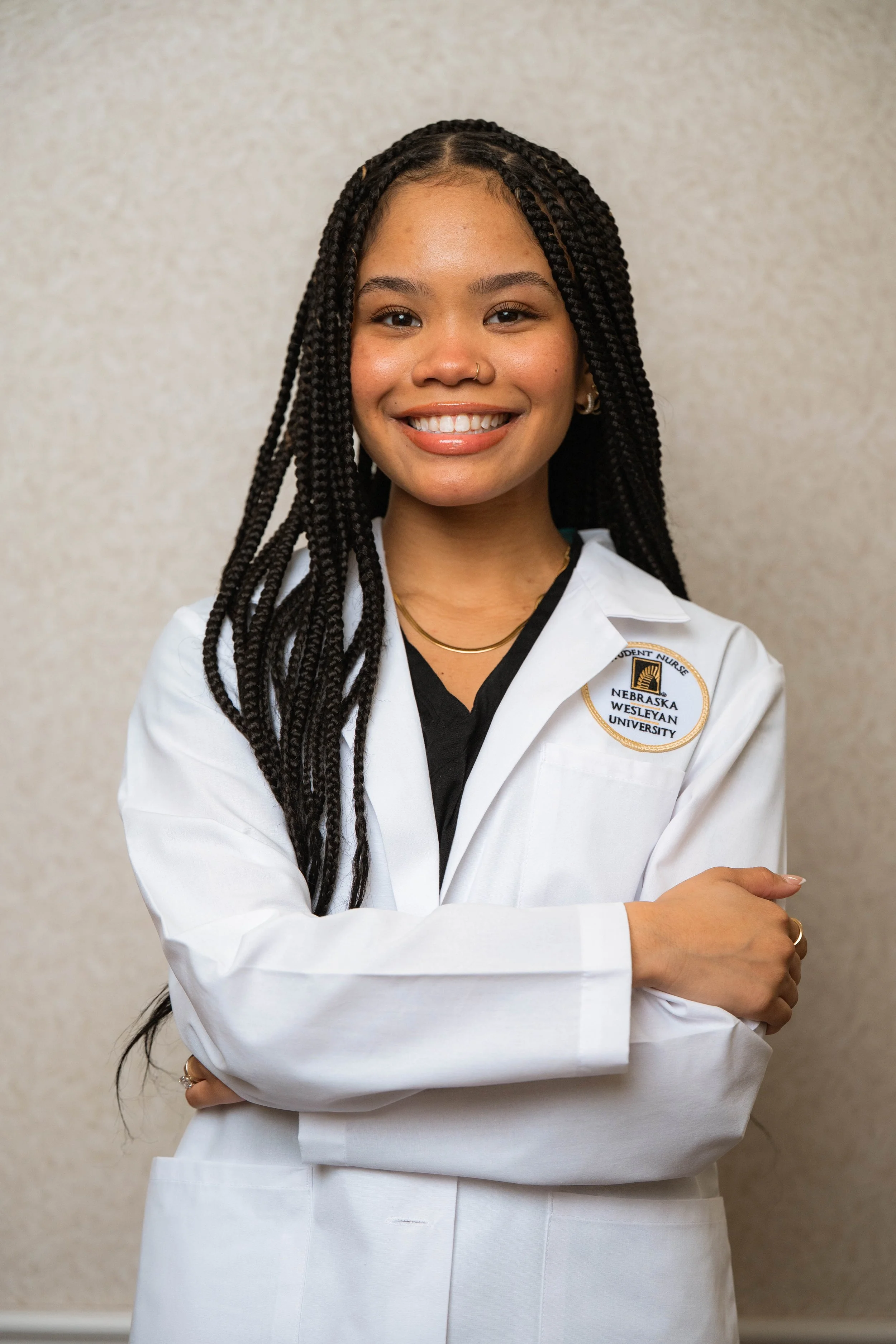
Kiara Burnell
Kiara Burnell is Iñupiaq and Native Hawaiian and was born and raised in Barrow, Alaska. She is currently pursuing a nursing degree with a focus on emergency medicine and behavioral health. Growing up in Barrow has given Kiara a strong connection to her culture, family, and community, which are all very important to her.
Kiara is excited to be joining the Juniper & Pine team, where she will help with social media and administrative work. She is looking forward to bringing her creativity to the team, learning more about Juniper & Pine, and helping share its work and opportunities with the community.
Kiara will also serve as a Guardian during onsite trainings. She is excited to meet and learn from Elders, participants, and community members while helping make sure everyone feels welcomed, comfortable, and supported.
Along with her work at Juniper & Pine, Kiara is focused on her nursing education in emergency medicine and behavioral health. She is passionate about caring for others and being able to use both her education and her connection to her culture and community in the work she does.
