

Explore Our Philosophy
We offer a range of customizable services designed to partner with you to move forward with confidence, wherever you're headed next.
A Two-Row Medicine Approach
Two-Row Medicine refers to the Haudenosaunee Gaswendah, or “Two Row” Wampum Belt Treaty. This beaded “belt” (which is not actually a belt) demonstrates a language system that does not depend on words but instead uses a complex beading pattern of quahaug shells, which Iroquoian Knowledge Keepers can read. This is the longest-living constitutional law that exists.
Combining western science with traditional Indigenous healing practices, a model called “Two Row Medicine, a model developed by Dr. Karen Hill of the Department of Family Medicine at McMaster University, combines western science with traditional Indigenous healing practices and is essential for engaging effectively, building collaborative relationships, and delivering comprehensive, effective treatment for Indigenous communities.
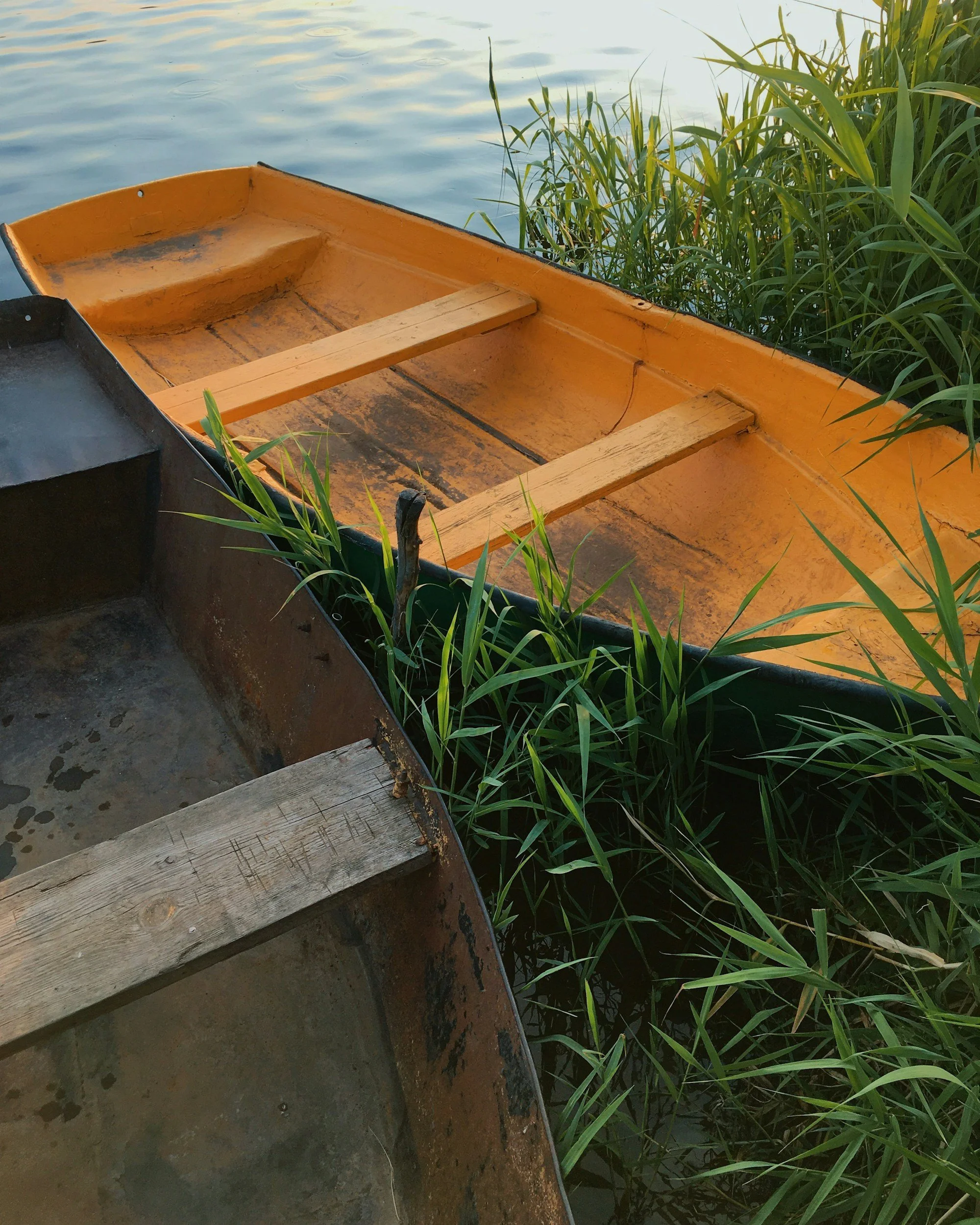
Gaswendah, the Two Row Wampum Belt Treaty, was documented in 1613 by the Haudenosaunee and later ratified by 24 other Indigenous groups in 1764. This belt was made from quahaug shells and presented to the Dutch people living in the area, who, in discussions about cultural values, agreed with the Haudenosaunee to move forward together (equally) without infringing on one another. The Ogwehoweh (Indigenous) and Hahnyo:oh (Caucasian) peoples mutually acknowledged their obligation to respect each other and their distinct practices, traveling parallel to one another while refraining from interference or attempts to alter each other’s ways. The policy established by this document features two darker rows of quahaug shells representing the river of life, a commonality shared by all. However, it was understood that individuals may have different approaches to navigating that journey. Civilizations native to Turtle Island envisioned crossing this river in their canoes, while non-Indigenous peoples moved along via sailing ships (a metaphor representing different cultures and practices). “As long as we respected each other’s vessels, we could live together. At no point would anyone throw a rope across and try to steer another’s vessel. You could come and visit my canoe, but while you were visiting my canoe, you would never rip it apart and force your rules on me. Same thing for me, I could go to their boat and learn their cool s**t, but I was never to go to their boat and rip it apart. We were to travel side by side and respect one another’s ways” (Maya Chacaby, Anishinaabe, Beaver Clan, personal communication, January 2025). The procedural aspect of this document is depicted by the three white rows of quahaug shells. The rows were not meant to divide us, for we navigate within one river; rather, they were included to unite us. Chacaby shared that:
The ‘how’ of what we were to do to maintain this policy was trust or peace, depending on what community you’re from. Once we have trust, then the next row is friendship, meaning shared values. We have to do the hard work to figure out what our shared values are. The final one is mutual respect. When we are all the same height, that means that my way as an Anishinaabe is equally legitimate to anyone else’s ways. I could rightfully have access to the medicine people and an MRI, and they would be treated as equally legitimate. (personal communication, January 2025)
This agreement was meant to inform every law that came after it, as long as the rivers flowed and the grass remained green. Two Row Medicine aims to embody and represent the spirit behind the broken Two Row Wampum Belt Treaty.
The world benefits from many different models of thinking, doing, and being. However, “much of today’s psychology believes in itself because it reflects on itself. It embodies the magic notion that what you name becomes real. First you see it, then you name it, then you believe it. It is a collection of egos thinking that they ‘are.’ Tightening their bootstraps, and making things reasonable” (Stoller, 2016, p. 2).
To heal, we need diverse theories and models that suit individual preferences. “This is not about grasping onto something; clinging to something―then you become closed. This is not knowledge that you can learn and then share with others. This is about what action you will take or subtle ways you will change” (Dr. Ruby Gibson, Lakota, personal communication, June 2023, Somatic Archaeology © training).
Similar to the concept of Two-Eyed Seeing, our team approaches our consultation and training services from a braided approach, employing multiple models of thinking, doing, and being.
We are not offering isolated interventions. The research strongly supports integrated, multi-level approaches that combine:
Individual support (stress management, healing practices)
Organizational systems change (policy alignment, leadership development)
Cultural integration (values alignment, Indigenous knowledge systems)
Relational safety (somatic practices, peer support)
By aligning systems with Indigenous values and building organizational resilience, we can address the root causes of instability. Research on organizational effectiveness shows that cultural alignment, strong leadership coherence, and values-driven systems create what researchers call "organizational embeddedness" (the psychological and social forces that keep employees attached to their organization) (Abdou et al., 2025). This translates directly to reduced turnover, stronger institutional knowledge retention, and decreased repeated onboarding costs.
-
Juniper & Pine Consulting, LLC employs an economic multiplier model, compensating local knowledge keepers and/or Elders for every in-person community project while reinvesting a portion of profits into client-chosen Tribal nonprofits (10% of net income).
Our goal is that for every $1 generated by our firm, $2-3 is generated in Tribal community economic activity. This business model strengthens Indigenous economies, not just one business or individual. No other firm we are aware of offers this unique combination.
Our pricing reflects the integration of Indigenous knowledge, trauma-informed systems expertise, and organizational change methodologies. We offer flexible tiered options to meet Tribal program needs, funding cycles, and community priorities.
We believe partnership must be demonstrated through action. That is why we compensate community knowledge holders, involve youth and Elders, and reinvest a portion of our profits into Indigenous organizations chosen by our clients.
We use Alexis J. Cunningfolk’s framework for sliding-scale services in our work with individuals.
We also honor sacred reciprocity, so please reach out if you have NO funds, and we will try to find a way for you to participate. Conversely, if you are someone who is able to sponsor others, please inquire about how to donate to this fund.
We do have a limited number of access passes available at each tier, so please be mindful and honest when selecting your payment tier.
Choosing a lower tier when you can afford a higher tier will directly reduce access for those relying on financial equity pricing to participate. Please act with accountability and the understanding that our behaviors aways affect others.
Sustainer Level
This dollar amount reflects the actual cost of the services we offer.
Please select the Sustainer Level if you are an individual who:
Owns a home or rents a higher-end property
Has investments, retirement accounts, or inherited money
Can travel yearly for recreation
Supporter Level
This dollar amount reflects a discount for those who would not otherwise be able to participate and whose financial circumstances are not reflected in the Sustainer or Community Level.
Please select the Supporter Level if you are an individual who:
Is both employed and has access to healthcare/insurance
Has reliable daily transportation
Can miss a few days of work and still pay the next month's bills
Community Level
This dollar amount reflects a maximum discount for those who would not otherwise be able to participate and whose financial circumstances are not reflected in the Sustainer or Supporter Level.
Please select the Community Level if you are an individual who:
Is eligible for public assistance
Is unemployed or underemployed, but not by choice
Has a minimal amount of expendable income
Organizations and Corporations
Most consulting firms do strategy without healing or healing without systems. They tend to focus on individual mentoring and coaching or on organizational capacity building. We do both, explicitly. Our consultants are Organizational Transformation Consultants who facilitate not just wellness training but measurable performance metrics to build scalable capacity-building frameworks that meet the cultural needs of your community and programs through co-design with Elders, language keepers, and youth using built-in compensation, not volunteer roles.
We are also aware of limited funds, grant requirements and the impact of administrative policy on funding so we are always willing to negotiate fees when needed.
If you have the means, please consider donating to our organization. The money will go directly to support those who cannot otherwise access our services.
-
We believe in leading with sacred intent, partnering with Spirit, and including key community members in co-developing conceptual plans that guide our work together.
We come with the confidence to produce and the humility to engage in bi-directional learning. Our model is one of equality and reflects the Indigenous value that “within the circle, we are all of equal height.”
This value actively contributes to developing a diverse, equitable, and inclusive culture, so that all team members feel valued and safe in expressing curiosity and delivering and receiving feedback. Through this process, we help you and your team uncover your innate transformational capabilities.
Partnering with a local Knowledge Keeper, healer, trainer, or Elder can help us offer a more impactful service. When available, we like to share the compensation package with that individual to honor the expertise within the community and share resources that will positively impact your community through sacred reciprocity.
Our economic multiplier model aims to contribute $2-3 dollars to Indigenous communities for every $1 of net profit. We do this by: contracting with Indigenous practitioners, paying local experts, reinvesting 10% of our profits back into Tribal communities, providing full and partial scholarships for all of our programs, and purchasing and providing Indigenous products as giveaways to participants in our programs.
These Terms of Service ("Terms") govern your use of our website and services. By accessing our website or engaging our services, you agree to these Terms. If you disagree, please discontinue use of our services.
About Our Services
Our Mission
Juniper & Pine Consulting specializes in capacity-building consultation for Tribal, Alaska Native, Native Hawaiian, and First Nations, communities, and corporations, utilizing trauma-informed, healing-centered, and culturally driven approaches. We support the people who support our relatives.
Service Philosophy
We honor Indigenous knowledge systems and traditional practices
We operate from a strengths-based, community-centered approach
We recognize Tribal sovereignty and community self-determination
We commit to cultural humility and ongoing learning
Service Agreements
Consultation Process
Initial Consultation: We begin with a conversation to understand your needs and cultural context
Proposal Development: We create customized proposals respecting community protocols
Agreement Execution: Services begin upon the signed agreement and initial payment
Cultural Protocol Integration: We adapt our approach to honor specific cultural requirements
Service Delivery
Services are provided according to agreed-upon timelines and specifications.
We maintain flexibility to accommodate cultural events, ceremonies, and community priorities.
On-site services include adhering to appropriate cultural protocols and engaging in community involvement upon request.
Cultural Respect and Protocols
Indigenous Knowledge Protection
We respect the sacred nature of traditional knowledge and ceremonies
Information shared during healing and training components remains confidential
We do not claim ownership of Indigenous practices or traditional knowledge
We honor protocols around gender-specific ceremonies and age-appropriate participation
Community Engagement
We actively seek partnerships with Elders, Knowledge Keepers, and language speakers
Youth and Indigenous artists are compensated fairly for their participation
We support local Indigenous non-profit organizations as part of our commitment to community
Cultural Sensitivity Requirements
All participants in our services must demonstrate respect for Indigenous cultures
Inappropriate behavior, cultural insensitivity, or disrespect will result in service termination
We reserve the right to modify or discontinue services that do not align with cultural values
Payment Terms and Conditions
Investment and Payment
Service investments are outlined in individual service agreements
Payment schedules accommodate organizational budgeting cycles when possible
We accept various payment methods, including Tribal finance systems
Scholarships or sliding scale fees may be available for community organizations
Cancellation and Refunds
Cancellations must be made according to the timeline specified in service agreements
Refund policies respect the preparation time and resources invested
Emergencies or cultural obligations will be considered for modified terms
Community crises or unexpected cultural responsibilities may warrant special arrangements
Profit Sharing Commitment
As stated in our mission, we share a portion of our profits with local Indigenous non-profit organizations chosen by our clients.
Intellectual Property and Traditional Knowledge
Respect for Indigenous Intellectual Property
We acknowledge that many practices and knowledge systems belong to Indigenous communities
We do not claim ownership of traditional healing methods, ceremonies, or cultural practices
Our methodologies respect and credit the Indigenous origins of integrated practices
Our Created Materials
Training materials, frameworks, and resources developed by our team remain our intellectual property
Clients receive usage rights for materials created specifically for their organization
We maintain the rights to general methodologies and non-culturally specific content
Traditional Knowledge Protection
Information about sacred practices, ceremonies, or cultural protocols remains with the originating communities
Cultural teachings shared during services are for participants only and not for redistribution
Website Terms and Digital Services
Website Usage
Our website is for informational purposes and service inquiries
Content may not be reproduced without permission
We reserve the right to modify website content and features
Digital Service Delivery
Online trainings and consultations are delivered via Zoom or Teams
Technical requirements will be communicated in advance
Cultural accommodations are made for technology access limitations
Privacy and Confidentiality
All digital communications are treated with strict confidentiality
We offer secure platforms and encryption for sensitive discussions
Cultural protocols around information sharing apply to digital services
Liability and Disclaimers
Service Limitations
Our services are educational and consultative, not therapeutic treatment
While our approaches may prove therapeutic, we do not provide licensed mental health services
Participants in healing-centered activities do so voluntarily and at their own discretion
Cultural Considerations
We strive for cultural appropriateness but acknowledge ongoing learning
Community feedback is welcomed and incorporated into our practice
We take responsibility for cultural mistakes and commit to making appropriate amends
Limitation of Liability
Our liability is limited to the amount paid for services
We are not responsible for decisions made by organizations based on our recommendations
Force majeure events, including cultural obligations, may affect service delivery
Professional Standards and Ethics
Confidentiality
All client information is held in strict confidence
Cultural protocols around information sharing are honored
Professional standards of confidentiality exceed legal minimums
Conflict of Interest
We maintain transparency about relationships and potential conflicts
Community connections are viewed as strengths rather than conflicts when appropriate
We decline services when conflicts cannot be appropriately managed
Continuing Education
We commit to ongoing cultural education and competency development
We seek guidance from cultural advisors and community leaders
We participate in Indigenous-led professional development opportunities
Termination of Services
Grounds for Termination
Either party may terminate services for:
Breach of cultural protocols or disrespectful behavior
Non-payment or violation of financial agreements
Fundamental disagreement about service approach or cultural considerations
Changes in organizational needs or priorities
Termination Process
Written notice will be provided when possible
Cultural protocols for ending relationships will be honored
Final payments and deliverables will be handled according to the progress completed
Dispute Resolution
Community-Centered Resolution
We prefer addressing concerns through dialogue and community-appropriate processes
Cultural mediators or Elders may be invited to assist in resolution when appropriate
Restorative justice principles guide our approach to conflict resolution
Formal Dispute Process
Disputes will be addressed first through direct communication
Mediation through culturally appropriate processes is preferred
Legal action will be pursued only when community-centered approaches are unsuccessful
Jurisdiction
Legal matters will be handled with respect for Tribal sovereignty
Applicable law will consider both Tribal and federal/state requirements and jurisdiction
Cultural law and custom will be acknowledged in dispute resolution
Compliance and Regulatory Matters
Professional Standards
We maintain professional liability insurance appropriate to our services
We comply with applicable federal and state regulations
We respect Tribal sovereignty and government-to-government relationships
Cultural Compliance
We seek guidance from cultural advisors on appropriate practices
We participate in Indigenous-led oversight and accountability processes
We commit to transparency about our cultural learning and growth
Changes to Terms
Modification Process
Changes to these terms will be communicated to active clients
Significant changes affecting cultural protocols will include community consultation
Continued use of services constitutes acceptance of updated terms
Community Input
We welcome feedback from Indigenous communities about these terms
Cultural advisors may suggest modifications to better reflect Indigenous values
Regular review ensures terms remain culturally appropriate and legally compliant
Contact Information
General Inquiries, Cultural Concerns and Legal Matters
Email: juniperpineconsulting@gmail.com
Phone: 907.306.0138
Address: PO Box 90886, Anchorage, Alaska 99509Acknowledgment
By using our services, you acknowledge that you have read, understood, and agree to be bound by these Terms of Service. You also accept our commitment to Indigenous values, cultural protocols, and community-centered practices.
These Terms of Service reflect our commitment to conducting business in a manner that honors Indigenous values, respects cultural protocols, and supports community sovereignty and self-determination.
Document Version: 2.0
Next Review Date: September 1, 2027 -
Constructive organizational solutions, including research, evaluation, capacity building, strategic planning, and team development, can be utilized to achieve customized goals for Tribal groups, and non-profit organizations.
Through individual and group interviews using Appreciative Inquiry and careful analysis, tailored recommendations can improve effectiveness and key outcome measures, boost team morale, and reduce turnover.
All packages are customizable and can include, but are not limited to:
On-site community needs assessment
Individual meetings with executive leadership
Staff consultation
Co-development of an Indigenous Logic Model to fit your unique cultural need
Policy and procedure review/revisions/development
Employee strengths and communication styles assessment
Qualitative and quantitative methodologies
Training and development
Team building and capacity building
Facilitated workshop discussion
Strategic planning
Stakeholder engagement and systems building
Leadership and management realignment, including Individual skill development and guidance.
Support during periods of transition and change
Analysis and comprehensive summary report with findings and recommendations
Resulting in:
Synthesized work style
Improved workplace motivation and productivity
Reduced occupational stress
Clarified of mission, values, and direction
Improved communication and collaboration
Creative ideas emerging from internal sources
Enriched hiring processes
Development of a monitoring and evaluation framework
-
For unique and tailored inquiries about services not listed on our website, please get in touch with us to explore the possibilities. Some of the presentations, workshops, and training we've offered in the past include:
Workforce Development opportunities and challenges
Neuro-trauma-informed breathwork, meditations, and mindfulness activities
Conscious Discipline adaptations in Indigenous child care settings
Compassion fatigue, vicarious trauma, and secondary trauma
Trauma-informed care and counseling
Motivational Interviewing: basics through advanced
Maintaining empathy with difficult clients
Adverse childhood experiences & strengths
Wellness and staff retreats
Creating a safe space within a virtual environment
Responsible co-creation: building authentic partnerships with community