

Organizational and Community Partnerships | Change Management
Restoring the Bundle: Healing-Centered Approaches in Tribal Programs
The Weight of Carrying Trauma Together
Tribal programs that walk alongside relatives carrying historical and contemporary trauma often face heavy burdens themselves. Supporting people who have endured adversity means facing many layers of difficulty—colonial wounds, contemporary trauma, educational and work challenges, and the breaking hearts of families and communities. Over time, even the strongest helpers and organizations can become worn down by financial stress, political pressure, and constant crises.
When stress is not healed, whole systems can begin to mirror the very trauma of the relatives they serve. Organizations may become rigid, reactive, or even coercive—shifting into what Dr. Bloom coined trauma-organized cultures. In these conditions, leaders and staff may lose sight of the mission, values, and teachings that should guide the work. This can create frustration, an “us versus them” mindset, and even lateral violence that spills into families and communities.
Returning to Original Teachings
Through our Restoring the Bundle approach, we invite Tribal agencies to step back into their healing traditions. Using a Two-Row Medicine Approach—blending Indigenous knowledge with helpful contemporary insights—we focus on building safe, healing-centered engagement across programs.
The shift from being only “trauma-informed” to becoming healing-centered and culturally-driven is critical. Healing-centered practices draw from culture, spirituality, collective action, and traditional values. They remind us that resilience and strength have always existed within our people and can be reawakened.
As Dr. Joe Gone teaches, the “four Cs” of historical trauma—collective injury, cross-generational impacts, cumulative effects, and contemporary disparities—shape the struggles we see today. But they also show us why collective healing is necessary: healing is not only for the client, but for the helpers, the agencies, and the communities themselves. Just like everything else, organizations are living entities that have their own unique trajectory and require attention to maintain their health.
Reclaiming Neurobiological Strengths in Culture
Tribal traditions have always understood the need for regulation of the mind, body, and spirit. Practices like song, story, ceremony, and community connection are ways of calming the nervous system and restoring balance. Before modern science, parts therapy, polyvagal theory, and mind-body healing, we had a natural rhythm that aligned with Mother Earth. We had somatic practices that included ceremony. We had breathing exercises that activated our inner spirit. We engaged in mindfulness as we walked the land. We had stories that taught behavior and shaped healing. These neurobiological strengths are woven into culture itself. By re-engaging them, we build not only individual capacity but family and community resilience.
Walking the Path of Restoring the Bundle
Using the Restoring the Bundle approach, programs can:
Create culturally specific collaborative environments rooted in language and tradition.
Address historical and intergenerational trauma through cultural practices and revitalization.
Improve services for relatives by reducing coercion and increasing healing-centered care.
Build strong, multidisciplinary teams that reflect collective strength.
Restore staff well-being, competence, and morale.
Improve employee retention and reduce burnout by reconnecting staff to their original calling.
Reclaim the vision, values, and purpose upon which each program was founded.
At the heart of this work is memory: organizations, like people, carry stories. When those stories are shaped by trauma, systems can become rigid and reactive. But when stories are reshaped through culture, ceremony, and healing-centered practice, organizations can once again walk in balance—supporting not only clients, but the whole circle of community life.
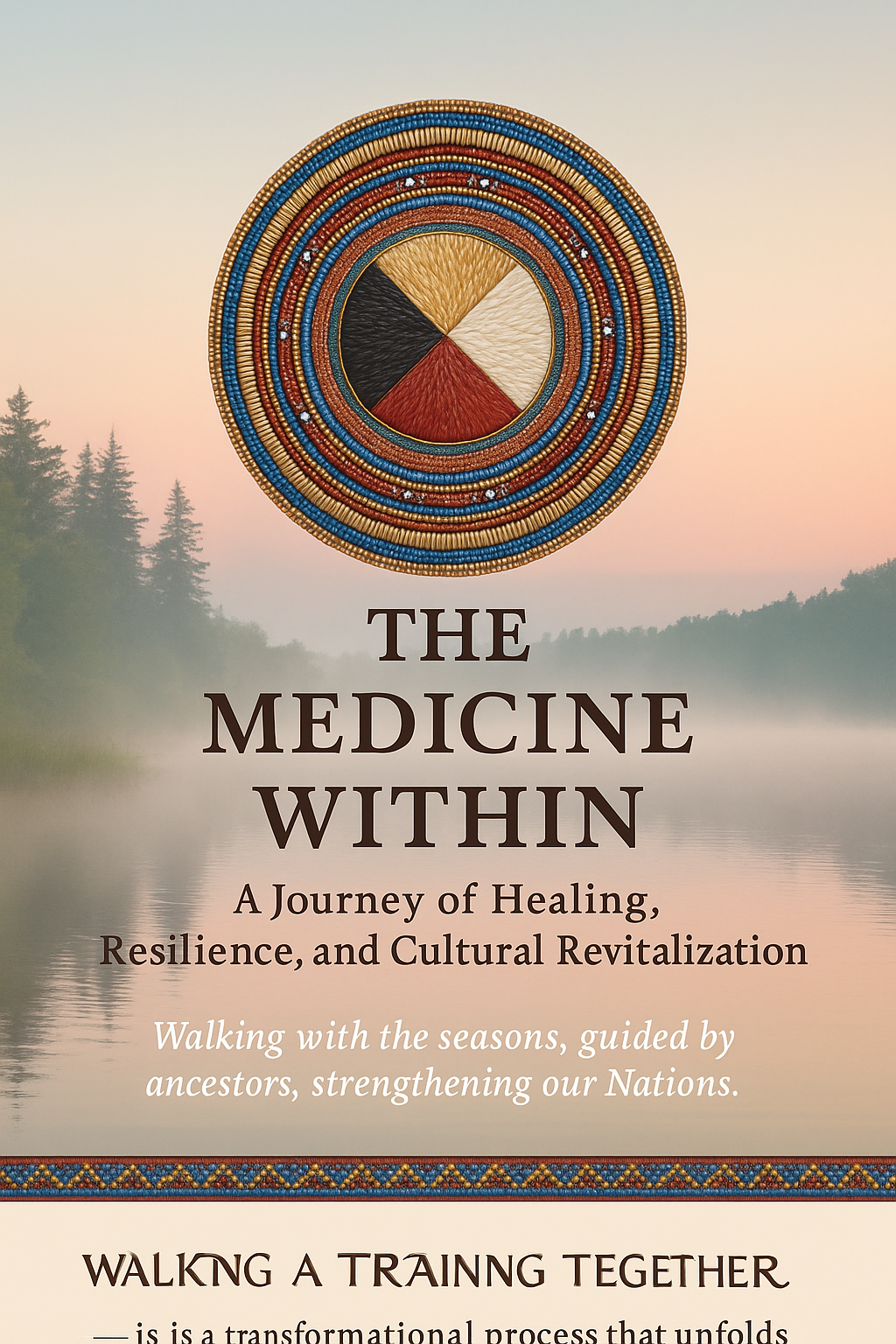
The Medicine Within: A Journey of Healing, Resilience, and Cultural Revitalization
The Medicine Within is a three-year intensive healing and leadership journey rooted in our unique Restoring the Bundle Framework. This program centers on Tribal Sovereignty, bringing together ancestral knowledge, modern trauma science, and sovereignty-centered practices to strengthen Tribal programs that serve families and children impacted by historical and contemporary trauma.
We will work with you to ensure that your entire program is trauma-informed, healing-centered, and culturally driven. At the end of three years, your team will be strong, centered, and thriving. Your program won’t look or feel like anyone else’s because it will be built on the foundational teachings of your cultural and community.
Over 36 months, a core group of leadership moves through interconnected pathways of self-healing, collective resilience, and cultural revitalization, guided by the following:
Shared Knowledge → Two-Row Medicine Teachings
Blend neurobiology/trauma science with Indigenous science (land-based knowledge, intergenerational wisdom). Teach historical and ongoing colonial trauma alongside resilience and resistance.
Shared Values → Right Relationship
Center reciprocity, kinship, consent, and responsibilities to land, waters, ancestors, and future ones. Make these explicit in organizational charts, policies, procedures manuals, and Human Resource practices.
Shared Language → Local Language & Story
Use local names, metaphors, and storywork as the common lexicon. Translate key policies into community language(s).
Shared Practice → Ceremony & Circle
Regular trauma-informed and culturally-driven practices woven into meetings, supervision, and services—with proper cultural protocols and guidance from Elders/Knowledge Keepers in your community.
Through seasonal cycles of learning, participants experience and share with their whole team:
Deep Healing – Releasing the impacts of trauma, grief, and colonial harm through culturally grounded activities, land-based practices, and embodied regulation tools.
Resilience Building – Strengthening emotional balance, relational harmony, and protective factors using both Indigenous knowledge systems and contemporary neuroscience.
Cultural Revitalization – Reconnecting to language, song, story, and land stewardship as living medicines for the generations to come.
Leadership Development – Cultivating Indigenous-informed, healing-centered leadership to guide organizations, communities, and Nations toward sovereignty and wellness.
This is not a training you attend — it is a transformational process that unfolds over time, walking with the natural rhythms of the seasons and the wisdom of the ancestors. Each participant becomes both a carrier of cultural knowledge and a practitioner of healing, ensuring that the medicine within is restored and shared for the benefit of all our relations.
This intensive requires a minimum one-year commitment between a Tribal program or community and Juniper & Pine.
Together, we will form a strong alliance to address historical trauma from a multi-factor, multi-level format to reduce stress, vicarious trauma, and lateral violence. When leadership understands how these dynamics are playing out in programs and are fueled by contemporary toxicity, they can better support program staff, who will in turn help our relatives who present for services.
The customized partnership involves at least four on-site trainings with the organization, program, or community.
The initial historical strengths assessment involves interviews with leadership, staff, and community members to identify target areas for strengthening and improvement.
Together, we will dive deep into your work, the work you want to do, and what is getting in the way of the two. We will look at how to make changes that align with your community and cultural values and partner with Elders or Knowledge Keepers in your area to co-develop this training in a way that resonates with your culture and community.
Any (or all) of the Restoring the Bundle trainings listed below can be a part of the Medicine Within curriculum, in addition to group guidance, healing circles, and a deep-dive programmatic needs assessment into your current and your vision of the trauma-informed, healing-centered, culturally driven policies, procedures, strategic plan, and overall implementation of services within your programs.
For more details, please don't hesitate to contact us for a complimentary 60-minute consultation.

Restoring the Bundle Facilitated Learning
Amplifying Lateral Kindness
A 5-day Healing and Leadership Program
Designed for Tribal providers, helpers, and community leaders who are committed to strengthening relationships, restoring balance, and breaking cycles of lateral violence. Rooted in Indigenous teachings and informed by modern trauma-informed practices, this program focuses on transforming our relationships—shifting from patterns of harm and disconnection toward practices of kindness, respect, and collective care.
What You’ll Experience
Over five days, participants engage in interactive teachings, somatic practices, and story-based learning that draw from ancestral knowledge and contemporary research. Through ritual, dialogue, and experiential exercises, participants will:
Understand the Roots of Lateral Violence: Explore how historical trauma, colonization, and systemic inequities shape current patterns of harm within communities.
Reclaim Indigenous Practices of Kindness: Learn cultural strategies, stories, and songs that restore balance and nurture kinship.
Develop Healing-Centered Skills: Practice communication, conflict transformation, and relational repair approaches that strengthen teams and families.
Build Resilience Together: Experience collective healing practices that renew energy, deepen connection, and grow community capacity for compassion.
Create a Kindness Action Plan: Design practical strategies to carry lateral kindness forward into organizational, family, and community settings.
Engage Somatic Boundaries: Develop body-based experiences of the boundaries required for all expressions of genuine kindness.
Why This Program Matters
Lateral kindness is more than being “nice”—it is a deliberate, culturally grounded practice that interrupts cycles of hurt and restores the original instructions of respect, generosity, and kinship through boundaries. By amplifying lateral kindness, we create safer organizations, stronger families, and more resilient Tribal Nations.
Beyond Trauma-Informed Care: Healing-Centered, Culturally-Driven Solutions
A 5-day workshop for Indigenous providers and healers walking the path of trauma work.
Colonial systems continue to reproduce trauma in Indigenous communities—from overrepresentation in child welfare and incarceration to the misunderstanding of language and ceremony. Many Indigenous providers and healers are supporting their people within these systems, while also carrying their own lived experiences of trauma, loss, and resurgence.
Yet, amidst these realities, we see profound strength. We see communities returning to song, land, and ancestral knowledge. We see young people reclaiming their languages. We see circles forming again.
This training is an overview of the different types of trauma, moving beyond trauma-informed care into culturally driven healing, offered as nourishment and support for that return.
Who This Is For
Indigenous practitioners engaged in trauma support, healing, or ceremony
Peer support workers, youth mentors, educators, and traditional helpers
Facilitators leading groups through healing, cultural, or wellness-based programming
People walking their own healing journey and wanting to support others
Chí’íiyáhí Gózhó: The Eagle Brings Balance
A 5-day training for Vicarious Trauma Prevention and Healing
Program Overview
Chí’íiyáhí Gózhó - The Eagle Brings Balance | Eagle’s Balance- is a trauma-informed and healing-centered training designed for Indigenous providers, healers, and leaders who walk alongside trauma survivors. This immersive program weaves together western trauma science and Indigenous cultural teachings to provide sustainable pathways for preventing, recognizing, and healing the effects of vicarious trauma.
Why This Training Matters
Helpers and healers often carry the pain and stories of those they serve. Over time, this weight can create exhaustion, disconnection, and imbalance. Chí’íiyáhí Gózhó restores strength and balance by combining evidence-based strategies with traditional lifeways, ceremony, and collective practices of renewal.
Key Learning Areas
Understanding Vicarious Trauma: Recognize signs and impacts of carrying others’ burdens.
Restoring Balance: Use story, language, and ceremony as protective practices.
Boundaries & Kinship: Develop relational shields rooted in reciprocity and kinship.
Releasing & Renewing: Practice rituals, movement, and witness circles to let go of carried stories.
Walking Forward Together: Create personal and organizational healing plans for sustainable wellness.
Roots of Integrity in Power: Indigenous Mindful Leadership
A 5-day Trauma-Informed, Healing-Centered Leadership Training in the Indigenous Neuroscience of Mindfulness
This leadership model centers Indigenous knowledge systems, ancestral wisdom, and relational accountability. In a world marked by intergenerational trauma and systemic oppression, Indigenous leadership is not just about guidance—it’s about restoration. Healing-centered leaders use presence, story, ceremony, and collective care to build spaces that honor sovereignty and well-being.
To be a mindful Indigenous leader is to:
- Honor the body as a site of ancestral knowing
- Listen deeply without urgency
- Restore balance rather than control
- Practice cultural safety and co-regulation
- Be guided by ceremony, land, and spirit
Trauma-informed leadership goes beyond awareness. It supports safe, trustworthy, empowering environments rooted in cultural healing. Healing-centered practice shifts the frame from 'what’s wrong' to 'what’s sacred and strong.'
Shí Be’áí’áhígíí (Our Path to Healing)
A 4-Day Trauma-Informed, Healing-Centered Leadership Retreat
Shí Be’áí’áhígíí — “Our Path to Healing” — is an immersive four-day training designed for Indigenous leaders, program managers, and facilitators working in Indigenous communities. This program combines traditional knowledge with trauma science to strengthen leadership skills, restore harmony, and promote holistic community healing.
Through Elder-led ceremonies, storytelling, land-based practices, and Indigenous metaphors for understanding the nervous system, participants learn to:
Recognize the impacts of trauma — historical, intergenerational, and contemporary — on individuals and communities.
Restore Gózhó’ (balance, harmony) within themselves and their organizations.
Apply culturally grounded tools to create healing-centered, trauma-informed programs.
Build peer networks and long-term strategies for sustaining community wellbeing.
Join us for these transformative journeys, designed for Indigenous leaders, program managers, and team members working in Indigenous communities. These trainings combine traditional teachings with trauma-informed, healing-centered practices to strengthen leadership capacity, restore harmony, and promote community healing. Each day features interactive dialogue, somatic exercises, breathing exercises, or mindful practices, and creative hands-on activities along with didactic learning.
Beyond Trauma-Informed: Healing-Centered Educational Sovereignty
A 4-Day Certificate Program for Educators and Helpers
Program Overview
Beyond Trauma-Informed: Healing-Centered Educational Sovereignty is a four-day certificate program designed for educators, helpers, and professionals working with Indigenous youth and communities in educational and learning environments. Grounded in Indigenous knowledge systems and informed by trauma science, this program supports a shift from trauma-informed awareness toward healing-centered, culturally driven educational practice with children who have already experienced extensive early developmental trauma.
Our ancestors taught that healing happens through relationship—with one another, with the land, and with spirit. This program honors those teachings while responding to the realities Indigenous youth face within educational systems shaped by colonization, historical trauma, and disrupted attachment. It invites participants to restore relational safety, cultural belonging, and sovereignty in learning spaces.
What You’ll Experience
Over four days, participants engage in reflective dialogue, experiential learning, and somatic practices that weave together ancestral wisdom and contemporary healing-centered approaches. Participants will:
Explore the Limits of Trauma-Informed Education
Examine how trauma-informed frameworks can fall short when culture, history, and Indigenous worldviews are excluded.Center Relationship as Medicine
Learn how story, listening, presence, and relational accountability function as foundational healing practices in educational spaces.Integrate Indigenous Knowledge & Somatic Practice
Apply body-based, land-informed, and culturally grounded approaches that support regulation, connection, and belonging for youth and adults.Support Healing & Prevention in Educational Settings
Develop strategies to respond to trauma and attachment challenges while strengthening protective factors, resilience, and cultural identity.Reclaim Educational Sovereignty
Reflect on how Indigenous values, teachings, and ways of knowing can guide educational systems toward balance, dignity, and wholeness.
Who This Program Is For
Educators working in Indigenous or Indigenous-serving schools and programs
School counselors, social workers, and behavioral health providers
Helpers supporting Indigenous youth impacted by trauma and attachment disruptions
Program leaders and administrators seeking healing-centered educational approaches
Community members called to restore relational and cultural safety in learning spaces
Why This Program Matters
Trauma is not only what happens to individuals, it is embedded in systems that fail to listen, see, and honor Indigenous children and communities. Healing-Centered Educational Sovereignty moves beyond deficit-based models to restore the original instructions of relationship, story, and care. When educators and helpers heal themselves and their systems, they contribute to the healing of ancestors, future generations, and the land itself.
As Yup’ik Elder Grandma Rita Pitka Blumenstein reminds us:
“When we can heal ourselves, we also heal our ancestors, our grandmothers, our grandfathers, and our children. When we heal ourselves, we heal Mother Earth.”
Rematriation Practices for Healing from Addiction
A 4-Day Healing-Centered Certificate Training for Returning to Our Sacred Feminine Wisdom
Program Overview
Rematriation Practices for Healing from Addiction is a four-day healing-centered certificate training that honors addiction recovery as sacred community healing work. Designed for Indigenous healers, providers, and helpers, this program offers an alternative to mainstream addiction treatment by centering rematriation (the restoration of Indigenous relationships to land, water, ceremony, body, and cultural identity) as pathways to healing from substance use disorders.
This training recognizes that addiction does not occur in isolation. It emerges within histories of colonization, displacement, disrupted kinship, and unhealed grief. Rematriation calls us home to the wisdom of the sacred feminine, to ancestral teachings, and to relational ways of healing that serve not only the individual, but the wellbeing of communities and future generations.
What You’ll Experience
Across four immersive days (with an optional 5th day for training of trainers program), participants engage in ceremony, teachings, experiential practices, and community dialogue that weave Indigenous wisdom with healing-centered recovery tools. Participants will:
Understand Rematriation as Recovery
Explore rematriation as a healing framework that restores balance through relationship, responsibility, and cultural reconnection.Reconnect with Sacred Feminine Wisdom
Learn from sacred feminine archetypes, ancestor connection practices, and teachings that support resilience, self-worth, and embodied power.Heal the Mother Wound
Engage in practices that address intergenerational trauma, disrupted attachment, and internalized harm through self-mothering rituals and collective care.Restore Relationships with Plant & Food Medicine
Differentiate between substances and plant allies; reconnect with traditional foods, herbal practices, and seasonal approaches to recovery.Create Sustainable Healing Practices
Develop daily ceremony, Fire Circle Intervention protocols, and community-based support networks grounded in seven-generation thinking.
Four-Day Learning Journey
Day 1: Sacred Feminine Wisdom
Understanding rematriation, colonial trauma and resilience, medicine bundle creation, and four-elements breathwork.Day 2: Healing the Mother Wound
Feminine power reclamation, intergenerational healing, archetype journeys, and self-mothering rituals.Day 3: Plant & Food Medicine
Exploring plant allies, traditional foods as healing partners, herbal tea blending, and seasonal recovery planning.Day 4: Integration & Service
Daily ceremony practice, seven-generation thinking, community healing service, and graduation ceremony.
Who This Training Is For
Indigenous healers, recovery workers, and behavioral health providers
Helpers supporting individuals and families impacted by substance use
Cultural practitioners integrating ceremony into recovery work
Community leaders seeking culturally grounded addiction healing approaches
Individuals walking their own healing journey who feel called to serve others
Why This Training Matters
Mainstream addiction models often focus on pathology, compliance, and individual responsibility, leaving little space for culture, ceremony, or collective healing. Rematriation Practices for Healing from Addiction reframes recovery as a relational, cultural, and spiritual process rooted in Indigenous resilience and wisdom.
Healing through rematriation restores dignity, belonging, and purpose. It recognizes that when one person heals, that healing ripples outward—supporting families, communities, and the wellness of seven generations to come.

External Evaluation for Tribal Vocational Rehabilitation Programs
This on-site evaluation includes a comprehensive assessment of the environment, reviewing policies, and analyzing consumer files, job descriptions, resumes, and team structure. Interviewing staff members and, if desired, consumer advocacy groups can help identify service gaps, strengths, and opportunities for improvement. A detailed summary report will be provided.
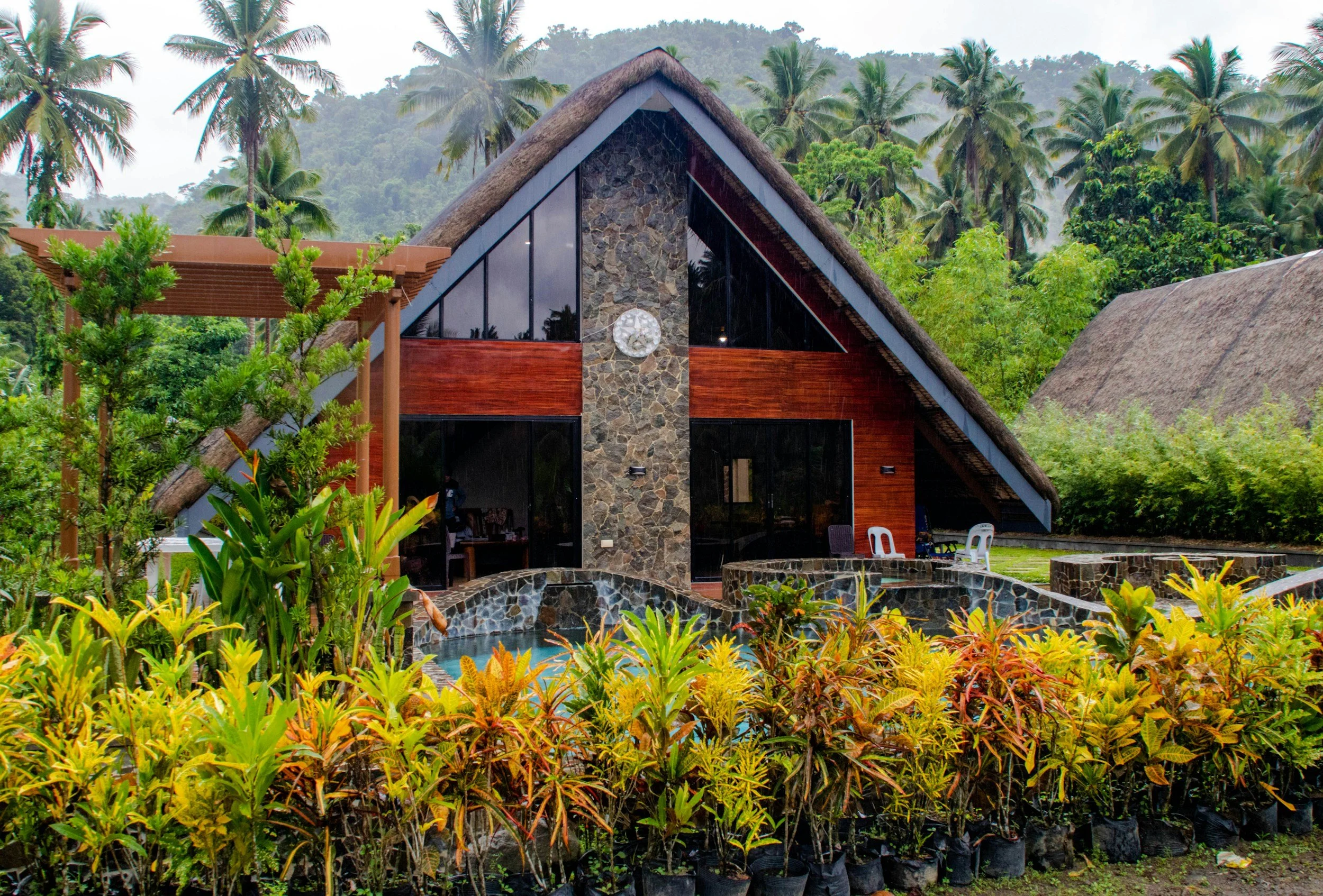
Tired of the Same Old Corporate or Program Retreat Year after Year?
According to Fortune Magazine, which publishes the 100 Best Places to Work each year, these high-trust organizations outperform their peers by 400% and the S&P 500 by 300%. What creates psychological safety, high drive, and low reactivity in a team to ensure maximum output? Juniper & Pine partners with your organizational leaders to establish and maintain the necessary elements for psychological safety to ensure excellence, return on investment, and overall impact.
Juniper and Pine Consulting uses creative and strikingly effective approaches to strategic planning, team building, corporate retreats, and trauma-informed, healing-centered care. Because we tailor our plans to your needs, you will never get something you could find anywhere else.
Through individual and group interviews using Appreciative Inquiry and careful analysis, tailored recommendations can improve effectiveness and key outcome measures, boost team morale, and reduce lateral violence and turnover. Summary reports and monthly or quarterly follow-up services post-retreat can ensure momentum and direction.
Juniper & Pine will work with you to develop the most effective, unique, and engaging proposal to meet your unique team or organizational needs.
Take our Free Community Healing Assessment
Purpose: This mini audit offers a snapshot of how safe, supported, and hopeful your team or community feels.
Your answers will help you identify strengths and areas for healing—and can guide next steps for creating a more balanced environment.
If you send us your results, we will send you our reflection and one cultural healing practice you can try right away.”