
The Medicine Lives Between Us
Indigenous Trauma-Informed Solutions™ Certificate

A certificate program for Indigenous helpers, leaders, healers, and allies.
Most trauma training centers pathology and individual deficit. This certificate centers belonging, kinship, reciprocity, and the restoration of harmony - because trauma, in Indigenous worldviews, does not live inside a single person. It lives between us, in the places where connection has been severed. And healing, too, lives between us.
Designed and led exclusively by Indigenous professionals and rooted in Chiricahua Apache teachings and the Sacred Wound Framework™
CHOOSE YOUR PRICE POINT: We ask that your choose your own price point for this virtual course. There are six options. We do not police or gate-keep the options, but ask that you responsibly and respectfully choose the option that best fits your ability to pay.
The $595, $695 and $795 options are for Tribal Members and those who identify as Indigenous.
The $1095, $1195 and $1295 options are for those who identify as allies and those working in Tribal programs.
We also offer at least three work/trade scholarships for Tribal Members and Indigenous participants. Please contact us to discuss this option and/or see if this option is still available.
You can read more about our ethical pricing structure on our Terms Page.

“The wound is not the trauma event; the wound is the disconnection. When we bring the Sacred Wound into circle, we are not reopening trauma. We are restoring relationship.” — Sacred Wound Framework™ (Olson, 2025)
Why Conventional Trauma Training Falls ShortMost trauma training was built on Western, Educated, Industrial, Rich, Democratic (WEIRD) frameworks that do not account for Indigenous worldviews, collective experience, or the sophisticated healing technologies our ancestors practiced for millennia. These frameworks can be useful. They were not built for the realities that shape trauma and healing in Tribal Nations, Alaska Native communities, and Indigenous-serving organizations.
For over five hundred years, colonization has disrupted the kinship systems, ceremonial practices, languages, and land connections that kept Indigenous peoples in balance. The impacts, inlcuding historical trauma, intergenerational grief, ambiguous loss, lateral violence, and what Chiricahua Apache scholar Maria Yraceburu calls “the sorrow felt in our bodies from Mother Earth herself”, are not relics of the past. They are a living process, carried in the nervous system, in the blood memory (epigenome), in family patterns, and often in the very systems designed to help. Before polyvagal theory, we had ceremony. Before narrative therapy, we had storywork. Before somatic experiencing, we had dance, shaking, and sweating. This certificate reclaims that legacy.
Five Cultural Frameworks at the Heart of the Certificate
This certificate is built upon five frameworks that emerge from Chiricahua Apache and Quero Apache teachings, over three decades of clinical and community practice, and original dissertation research. We also recognize that there is nothing new — anything developed by us comes from our ancestors, our teachings, and our lineages, both biological and non-biological, and from the seen and unseen world around us.
The Sacred Wound Framework™
A concentric-circle model of wounding and medicine
In the Chiricahua worldview, wounds are not simply damage to be repaired; they are teachers with their own spirit.
Four concentric rings map the ecology of healing. We will look at:
the Original Wound (colonial rupture: loss of land, language, ceremony, and kinship)
what is Carried Forward (neuroepigenetic imprinting and survival adaptations)
Manifestations Today (lateral violence, burnout, trauma-organized systems, internalized oppression), and
the Medicine Path (ceremony, kinship repair, land-based healing, storywork, and collective restoration).
Healing ripples outward through self, family, community, and systems.

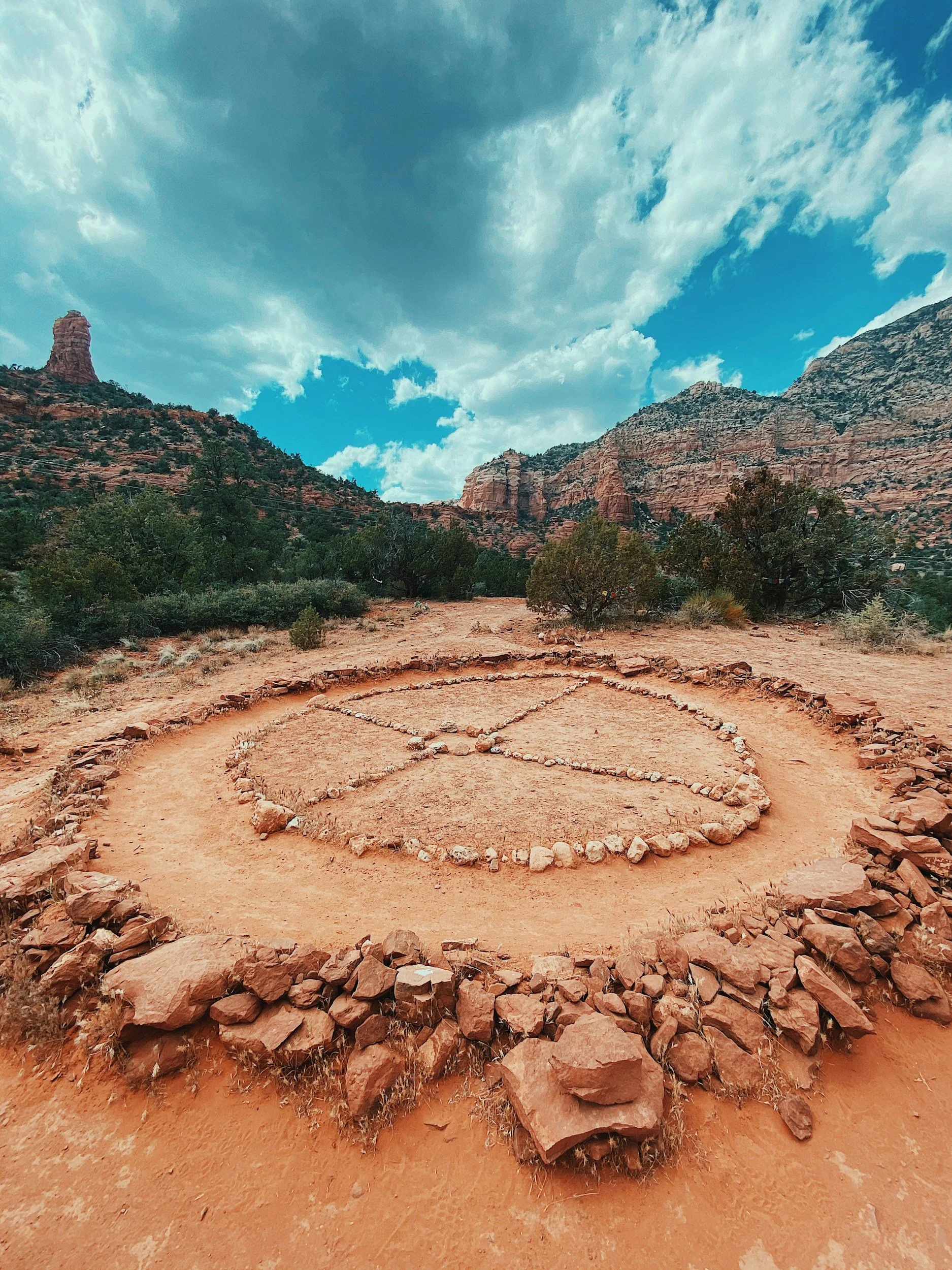
The Medicine Wheel of Regulation™
A ceremonial map for restoring intin’ hozoni — balance, the beauty path
Nervous system regulation mapped across four directions.
East/Mind (clarity, orientation, storywork). Represented by the color black, the time just before dawn through sunrise.
South/Body (somatic awareness, grounding, movement). Represented by the color blue/green, the time of youth, warmth and growth.
West/Emotions (honoring feeling and flow). Represented by the color yellow, corn pollen light, the Gahn Mountain Spirit teachings.
North/Spirit & Relationships (co-regulation, kinship, ancestors, land). Represented by the color white, snow, cold, and the ancestors.
The four phases of Indigenous regulation: Settle, Sense, Shift, and Sustain, position regulation as communal and ceremonial, not merely a clinical technique.
Depending on your Tribal lineage and cultural teachings, we will revise this map to fit your needs when taught in person in your community, and you can teach us what is appropriate for your settings.
The Indigenous Healing-Centered Regulation Framework©
Indigenous teachings as the primary lens; western science as supportive evidence. Each Tribe, Clan, community, and culture has it’s own teachings. There is no one “Indigenous” way of being, doing, teaching or healing, but many.
The Indigenous Healing-Centered Regulation Framework that we use in all our offerings, is an integrative framework that bridges polyvagal theory, the window of tolerance, and neurodecolonization research within an Indigenous worldview of embodied, relational, land-based, and ceremony-rooted regulation.
It draws on the Quero Apache understanding that the earth speaks a “silent language as a dialogue of formlessness” — a voice that does not use words — and that our bodies carry messages from ni’gosdzán (Mother Earth) that many of us are still learning to translate.
This connection to land, spirit and cultural identify underlies all our interactions.
The Fire Alliance
An Indigenous-informed framework for healing-centered leadership
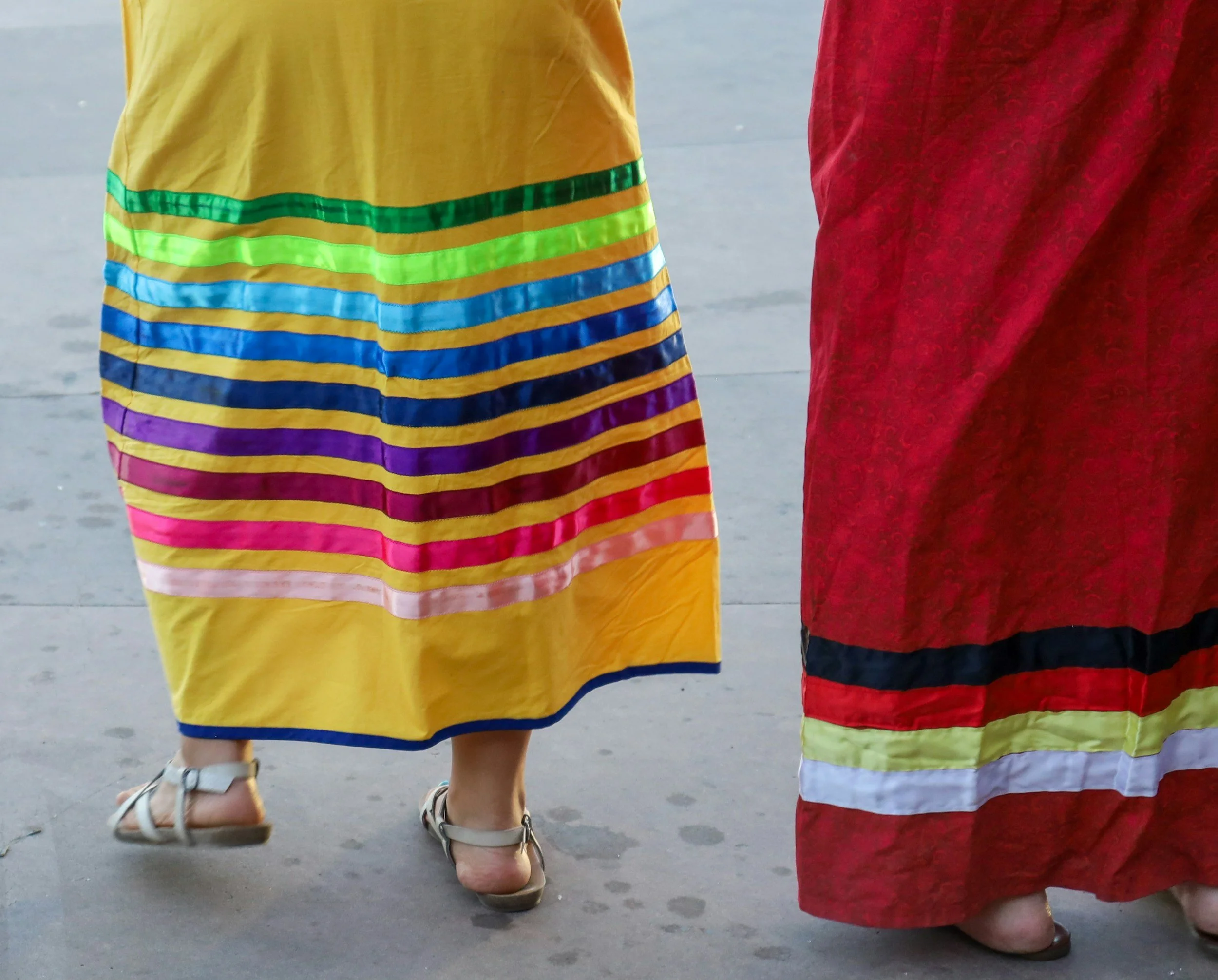
In Chiricahua tradition, the fire circle, kuu’ , is where alliance is forged, gifts are exchanged, and responsibility is made visible.
Four interdependent Fires must be tended in rhythm:
Fire of the Self (“Tend your own fire first”)
Fire of the Story (“The stories we carry become the stories we create”)
Fire of the Community (“We rise and fall together”), and
Fire of the Collective Future (“Our work must honor the faces yet to come”).
These Fires calibrate each other; balanced leadership requires tending all four in rhythm. Together, our cohort forms a Fire Alliance, to support, teach, encourage, and uplift one another.

The Two-Row Medicine Approach
Two sovereign knowledge systems traveling the same river
Inspired by the Haudenosaunee Two Row Wampum Belt Treaty (Gaswendah), this approach positions Indigenous medicineways and western trauma science as two sovereign, parallel knowledge systems, with each retaining its integrity while traveling the same river of healing.
The space between the rows is a relational river of reciprocity, translation, and integrity.
Practitioners learn when to walk in each row, when to braid them, and when to stand in the river between.
A Carefully Sequenced Arc · Six Full-Day Sessions
The six-month arc is carefully sequenced like the spiral of a story told in the old way, circling back and deepening with each pass.
Months 1–2 build shared language and personal regulation.
Months 3–4 deepen collective practice and Indigenous neuroscience.
Months 5–6 turn practice into structure, story, and survivance.
Each session builds upon and integrates all prior teachings, becoming both broader and deeper as we progress.
Month 1 · bik’ehgo’iindzin · Remembering Where We Come From
Returning to the Root · Historical Trauma, Neuroepigenetics & The Sacred Wound
The foundational session.
In Chiricahua thought, to heal we must first remember where we come from, including the roots that hold us, even when they have been damaged or cut.
Participants are introduced to the Sacred Wound Framework and learn to understand historical trauma not as a past event but as a living, relational process carried between people, between generations, and between humans and land.
The cohort establishes circle agreements and begins the trust-building and kinship formation that will sustain the work ahead.
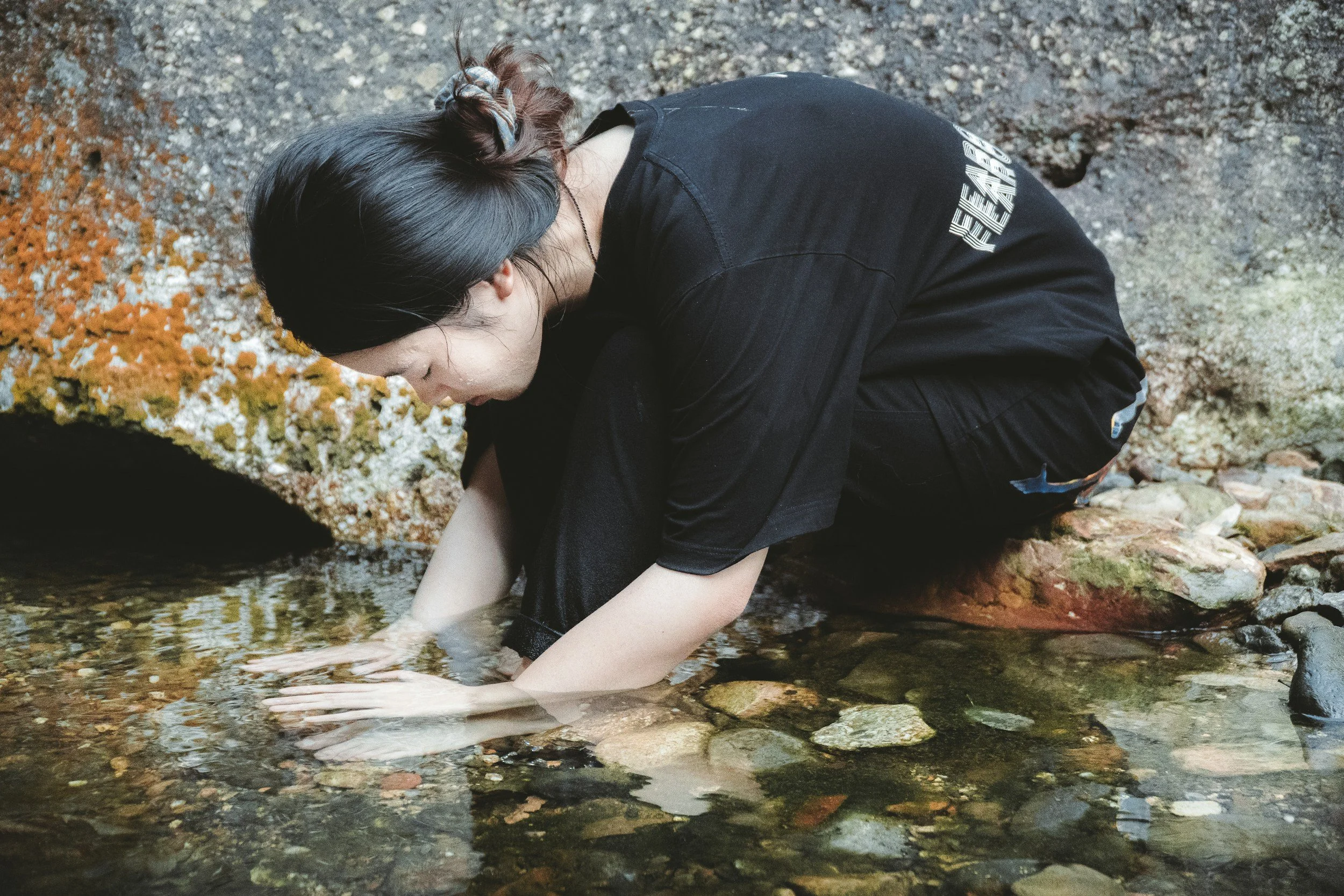
Month 3 · kuu’ bits’os · The Fire That Binds Us Together
Fire Alliance Leadership · Healing-Centered Leadership & Collective Wellness
The move from individual regulation to collective practice and kinship-based leadership.
In Chiricahua (and Cayuga) tradition, when a gift is offered and accepted, a fire alliance is forged — a bond that radiates outward like a neural network, binding givers and receivers into a circle of mutual responsibility.
Participants learn the four Fires, explore how kinship-based leadership replaces hierarchical, trauma-organized patterns, and practice lateral kindness as the Indigenous antidote to lateral violence.
Month 5 · ni’gosdzán bik’eh ná’oodzáál · Returning to the Earth’s Way
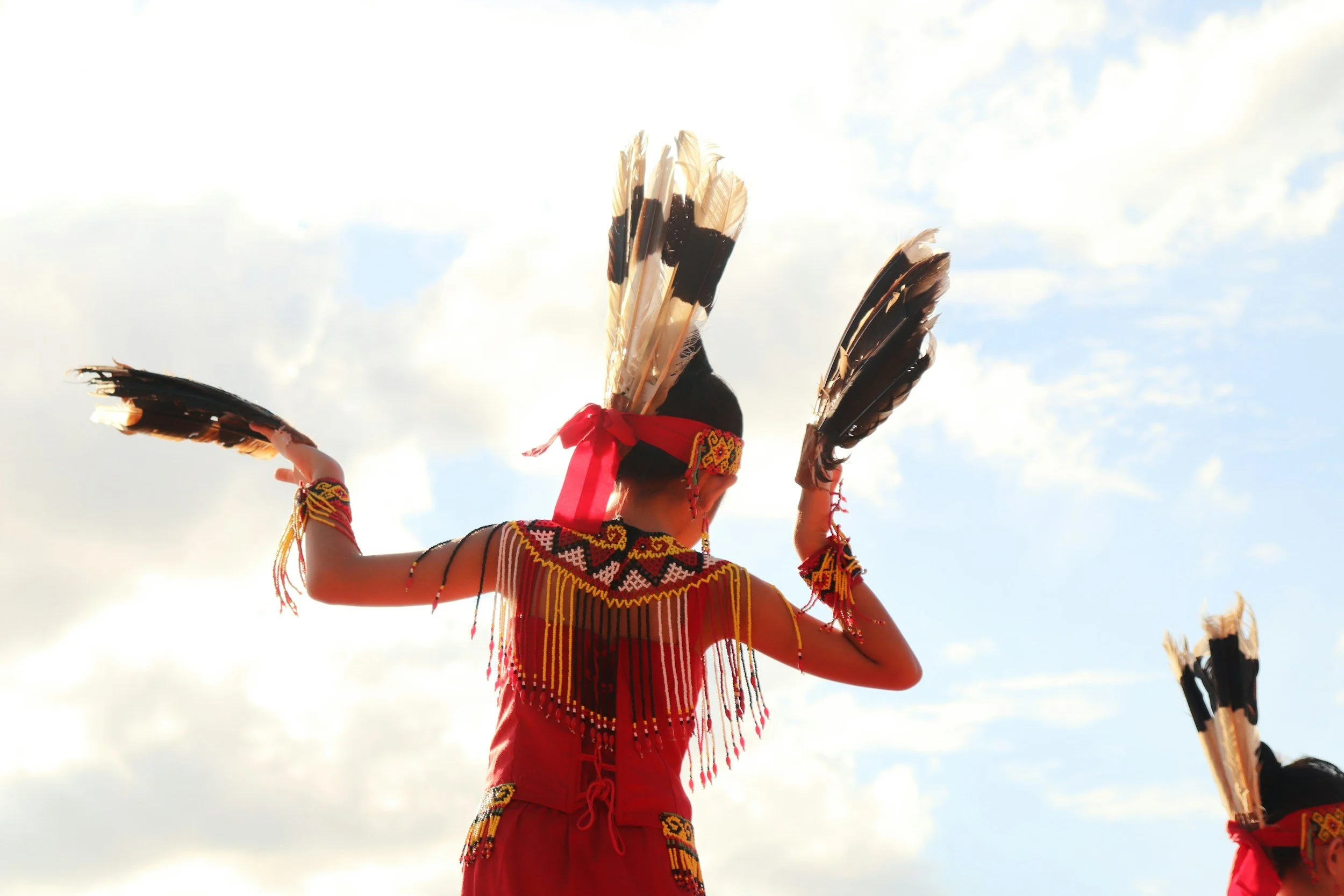
Rematriating Healing · Grief, Loss, Addiction, Cultural Reconnection & Pathways of Return
The sacred territory of grief, ambiguous loss, and the soul loss that follows when names, languages, ceremonies, and kinship bonds are severed.
Participants learn that addiction in Indigenous communities is rooted in the loss of connection to land, ceremony, identity, and belonging, not individual moral failure.
Through Two-Row Medicine, the Four Doors of Healing, and Ways of Knowing, Connecting, Being, and Doing, participants explore pathways of return and begin designing healing-centered interventions grounded in the understanding that ni’gosdzán is not merely a backdrop for healing; she is a relative, a teacher, and a healer.
Month 2 · go’zhoo bii’ Ńaagot’éél · The Body Remembers the Way to Balance
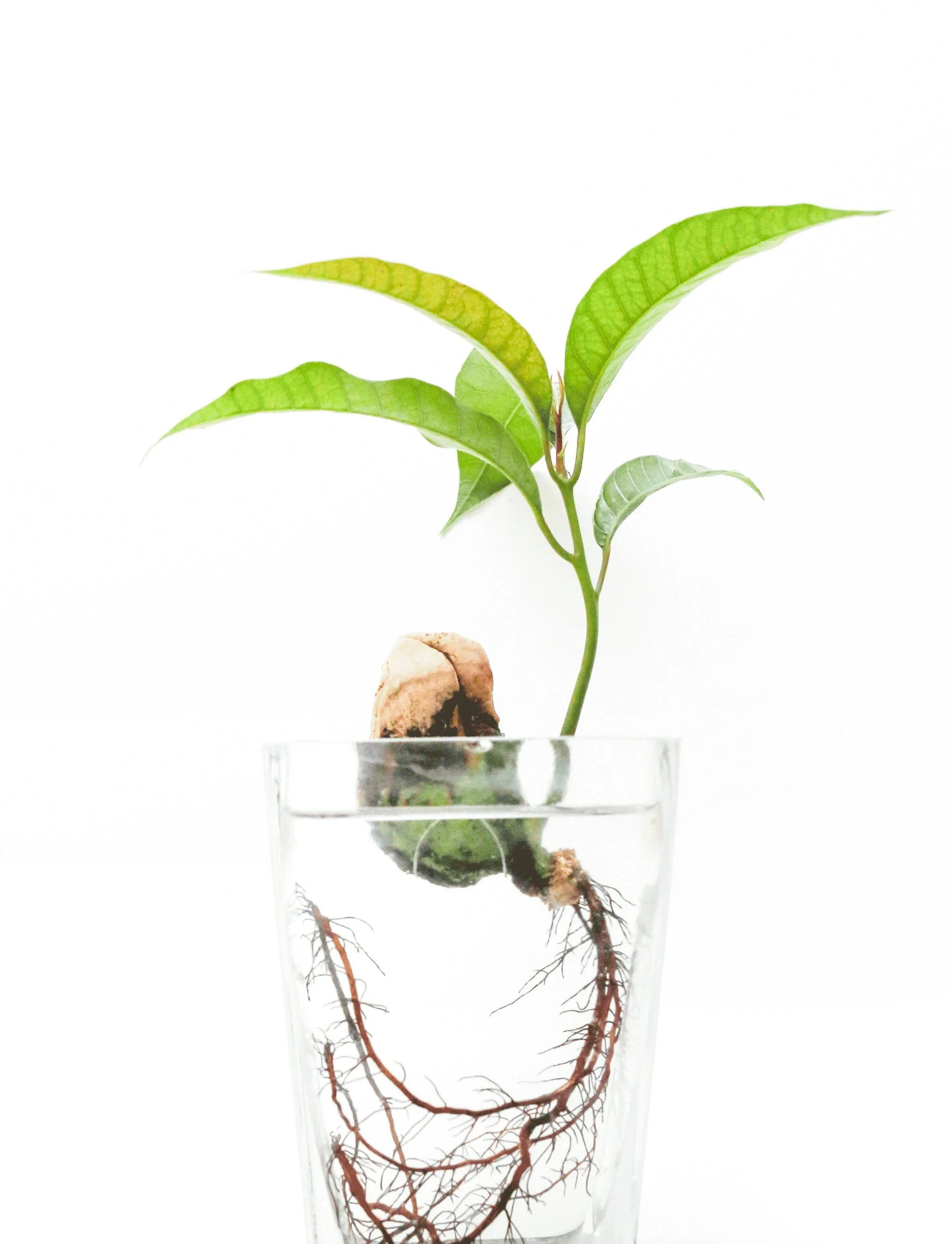
Indigenous Neurobiology & Cultural Regulation
Regulation as a sacred, relational, land-based practice.
The Quero Apache teach doohwaa-gon’ch’aasa — entering the silence — as a daily spiritual practice combining meditation, breathwork, and prayer.
Through the Medicine Wheel of Regulation, participants map their nervous system patterns across the four directions and discover that Indigenous peoples carried sophisticated regulation technologies long before western science named them.
The session braids polyvagal theory, the window of tolerance, and neurodecolonization within an Indigenous worldview.
Month 4 · nagólchíd biyátí · The Story That Heals Between Us
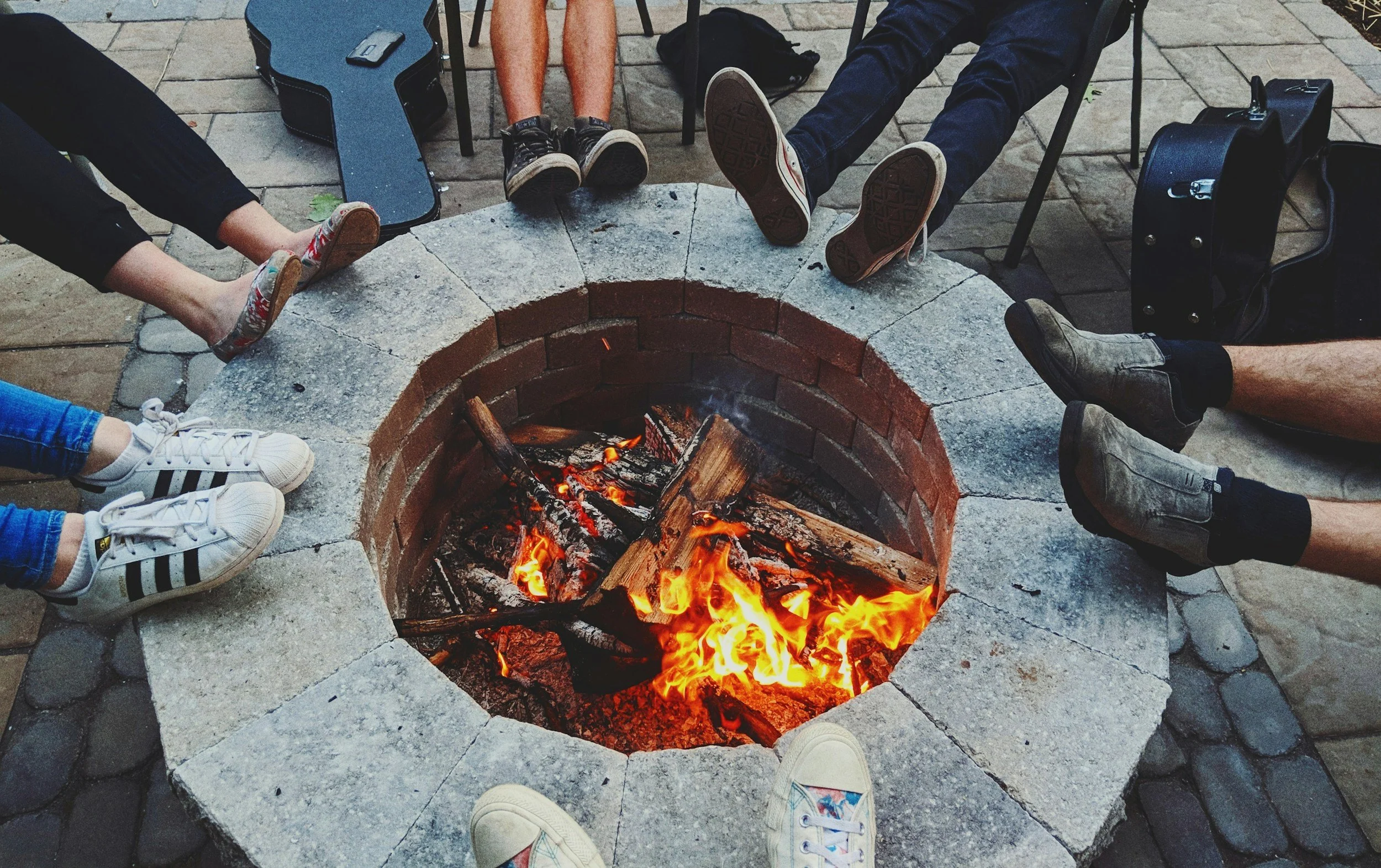
Storywork & Community Healing · Collective Trauma, Belonging, Identity & Narrative Repair
In many Indigenous traditions, there is no separation between story and medicine; a story told well can begin to reweave the fabric that trauma tore apart.
This session deepens storywork as both ceremony and healing methodology.
Participants explore how colonization disrupted community narratives and practice story-listening, witnessing, and healing-centered re-storying as relational arts.
The session also examines neurodecolonization research and confronts the malicious compliance that takes root when organizational systems absorb the trauma of the relatives they serve.
Month 6 · bik’ehgo’ihi’na’ · Walking in a Good Way
Integration & Continuation Ceremony · Carrying the Medicine Forward
Over six months, participants have traveled from the Sacred Wound through regulation, fire, story, grief, and reclamation.
Now they weave it all together through Kim Anderson’s four stages — Unpacking colonial trauma, Cultural Reclamation, Rebuilding, and Survivance (the term coined by Anishinaabe scholar Gerald Vizenor: survival plus resistance plus creativity as active presence).
Participants name their legacy burdens and claim their ancestral gifts through the Hands Back, Hands Forward ritual, design three-layered Survivance Plans, and close with a Continuation Ceremony. This is not an ending. It is a sending forth.
This Certificate Is for You If…
▪ You are a Tribal leader, administrator, program director, or behavioral health provider carrying the healing work of your community.
▪ You are a judge, magistrate, ICWA team member, social worker, or family or treatment court staff seeking culturally grounded frameworks for the relatives who come through your system.
▪ You are an educator, early childhood practitioner, youth worker, or Tribal Vocational Rehabilitation counselor working at the intersection of learning, wellness, and cultural identity.
▪ You are a traditional healer, cultural worker, natural helper, addictions counselor, primary care provider, peer support specialist, or frontline advocate.
▪ You are an Elder or cultural practitioner who provides healing support and wants to see your ways reflected in the language and frameworks of this training.
▪ You are a non-Indigenous ally committed to culturally responsive, healing-centered practice and to the principle that Indigenous knowledge leads.
▪ You have watched trauma training after trauma training fail to account for the realities of Indigenous lives — and you are ready for something different.
Six Distinctions You Will Not Find Elsewhere
Healing-Centered, Not Deficit-Driven. Guided by Dr. Ginwright’s shift from trauma-informed to healing-centered engagement, this program centers culture, spirituality, civic action, traditional values, and collective healing. We focus on restoring balance (intin’ hozoni) rather than cataloging wounds.
Two-Row Medicine Approach. Inspired by the Haudenosaunee Gaswendah, Indigenous knowledge systems and western trauma science travel side by side as sovereign, equally legitimate paths. Neither vessel steers the other. Both should be accessible to Indigenous peoples seeking help.
Embodied and Experiential. This is not a lecture series. Each session includes talking circles, somatic practices, breathwork, creative expression, storywork, land-based connection, and embodied activities that engage body, heart, mind, and spirit — the four directions of the Medicine Wheel of Regulation.
Rooted in Chiricahua Apache Teachings. The Fire Alliance, Sacred Wound Framework, and core teachings draw from Chiricahua Apache lifeways, complemented by Quero Apache contemplative traditions such as doohwaa-gon’ch’aasa and the understanding that “sacred ground is anywhere beneath your feet.”
Community-Centered. Healing happens in relationship. Cohort members form a circle of kinship — a fire alliance — that carries the medicine of shared learning, mutual witnessing, and collective accountability beyond the six months.
Built on Indigenous Science. Neurodecolonization research confirms what our ancestors knew: traditional practices like dancing, drumming, complex ceremonial movement, storytelling, and mindfulness create real molecular changes — lengthening telomeres, restoring brain matter, and strengthening the immune system. Western science is running to catch up.
Two Formats · Six Months Virtual · A Community of Practice · OR · Five Days In-Person Onsite at your Location
Virtual Cohort · Begins January 22, 2027 - June 25, 2027 (6 Months)
Open enrollment · per participant · one full-day virtual session each month · We meet the 4th Friday of each month from 8 am - 2pm PACIFIC time
Cohort sizes are intentionally limited to 20–25 participants to preserve the intimacy and safety of the circle. The learning engine is not the virtual session alone — it is the practice you carry into your life and work between sessions, brought back to the circle each month. Six full days, six months, one community of practice.
Between-Session Integration
The learning engine lives in the month between
Between monthly sessions, participants engage in light but meaningful practices that deepen integration and build the fire of community: journaling with guided reflection prompts; Fire Alliance peer pod meetings (30–60 minutes, monthly); weekly land-based grounding with ni’gosdzán (10–20 minutes); contemplative practice invitations including doohwaa-gon’ch’aasa, breath, prayer walk, song, or gentle movement; selected readings from Indigenous and allied scholars; and one culturally grounded skill applied each month with a relative, client, colleague, or family member.
In-person Training · 5 Days
Enrollment determined by the community or program ·five fill days of session
Cohort sizes are intentionally limited to 20–25 participants to preserve the intimacy and safety of the circle. The learning engine is the physical, spiritual, mental and emotional energy that we share in person, including the shared meals and interactive exercises that we can’t do well on line, engagement of Elders or Knowledge Keepers or Language Speakers determined by the community. Graphic artist on site to visually display your process. Activities co-created with the leadership team, and use of the community’s language, customs and traditions are incorporated to make the experience unique and tailored.
Graduates of This Certificate Carry Forward…
▪ A deeper understanding of trauma from an Indigenous worldview, grounded in the Sacred Wound Framework.
▪ Practical, culturally grounded tools for personal regulation, organizational transformation, and community healing.
▪ Culturally informed leadership skills rooted in the Fire Alliance model and Indigenous teachings on relational accountability.
▪ A personal and community Survivance Plan for sustained healing across seven generations.
▪ Competency in facilitating talking circles, story-listening, and culturally safe group processes.
▪ A peer network — a fire alliance — of Indigenous and allied practitioners committed to healing-centered work.
▪ Confidence to bring these teachings back to their families, communities, organizations, and systems.
Ish’kē’nā biyátí (The Medicine Between Us) is designed for Indigenous practitioners, leaders, healers, helpers, and allies working within or alongside Tribal Nations, Alaska Native communities, Native-led programs, and Indigenous-serving organizations.
No prior training in trauma or psychology is required. Although deeply comprehensive, this program is written at an accessible level and builds progressively. What is required is a willingness to show up honestly, to sit in circle with others, and to do your own healing work alongside the learning.
Frequently Asked Questions
-
This certificate is designed for Indigenous practitioners, leaders, healers, helpers, and allies working within or alongside Tribal Nations, Alaska Native communities, Native-led programs, and Indigenous-serving organizations. Non-Indigenous allies are welcome if they are genuinely committed to learning about the principles of the Two-Row Medicine Approach: Indigenous knowledge leading, western frameworks in a supporting role, and willing to do honest work about cultural humility, ethical engagement, and the difference between partnership and appropriation.
-
No prior training in trauma or psychology is required. Although deeply comprehensive, this program is written at an accessible level and builds progressively. Whether you are early in your career or have decades of experience, the teachings and practices meet you where you are. Having said that, it is also appropriate for PhD level clinicians, who will find it rigorous through not academic. What is required is a willingness to show up honestly, to sit in circle with others, and to do your own healing work alongside the learning.
-
Between sessions, the learning continues through light but meaningful integration practices: journaling, Fire Alliance peer pod meetings, weekly land-based grounding, contemplative practice invitations, selected readings, and a monthly practice application. The Fire Alliance peer pods, formed in Month 3, are the relational container that carries the medicine between sessions and often well beyond the six months.
-
Yes. While the open-enrollment certificate is delivered virtually to individuals, Juniper & Pine regularly contracts customized, in-person delivery of Indigenous Trauma-Informed Solutions™ content for Tribal Nations, Alaska Native organizations, treatment courts, behavioral health systems, and Indigenous-serving agencies. Contact us to discuss scheduling, scope, and pricing. Our team is happy to travel to your community.
-
Many participants use professional development, training, or capacity-building line items from federal grants including SAMHSA, IHS, ACF, OVW, OVC, BIA, and other Tribal health and human services funding to cover registration. Contact us if you need a letter of support or scope of services documentation for a grant administrator.