
 Image 1 of 1
2-hour Video Recording
Our child welfare systems were built to respond to harm after it happens. But our ancestors designed something more powerful: communities where children were held in webs of kinship so strong that prevention was woven into daily life. What if the most effective child abuse prevention strategies are not new programs—but ancient practices our people have carried for millennia?
This webinar bridges Indigenous knowledge systems with cutting-edge neuroscience from Dr. Bruce Perry, Dr. Dan Siegel, and Dr. Stephen Porges to offer Tribal child welfare professionals a healing-centered framework they can use immediately. Grounded in the concept of Two-Eyed Seeing (Etuaptmumk), attendees will learn why the practices our Elders have always used (drumming, ceremony, storytelling, kinship, land-based connection) are precisely what modern brain science identifies as essential for healing developmental trauma.
Participants will leave with a practical New Path Framework built on four pillars and three transformative shifts that invite them to move from reactivity to regulation, from compliance to relational accountability, and from isolation to sovereign collaboration. These cognitive shifts will be shared along with twelve concrete tools designed for use the very next day: in home visits, family meetings, case planning, supervision, and cross-system partnerships.
This session speaks directly to the weight carried by those who protect our children, honoring both the sacred nature of this work and the urgent need for culturally grounded innovation.
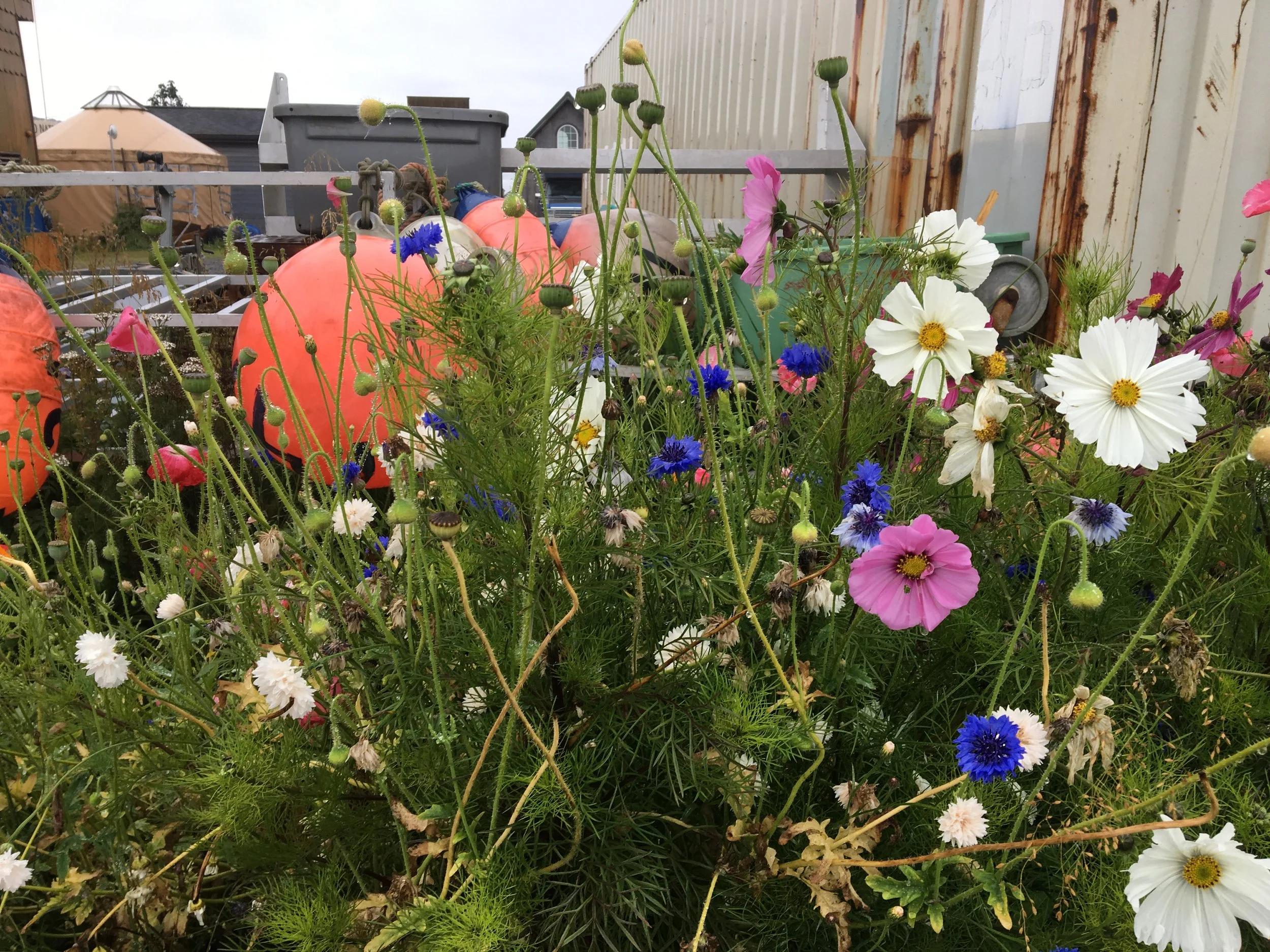
The seeds of prevention were planted by our ancestors long before colonial systems defined child welfare. Traditional kinship networks, ceremony, land-based connection, and community co-regulation were, and remain, the most powerful child abuse prevention strategies ever designed. Modern neuroscience now confirms what our Elders always knew: children's safety grows from belonging, not removal.
"New Path" plants seeds of prevention at three levels. First, at the individual level, practitioners learn nervous system regulation tools rooted in Indigenous practice so they can model safety before entering a family's home. Second, at the family level, the session introduces strengths-based, culturally grounded assessment practices that identify and nurture protective factors already present, such as cultural identity, kinship bonds, and community connection, rather than focusing solely on risk. Third, at the systems level, the Accountability Triangle and Tribal Partnership Map equip participants to shift their organizations from reactive, compliance-driven responses toward relational, prevention-centered approaches grounded in tribal sovereignty.
Every tool in this session is designed for immediate use, planting seeds that participants carry back to their teams, their families, and their communities the very next day.
2-hour Video Recording
Our child welfare systems were built to respond to harm after it happens. But our ancestors designed something more powerful: communities where children were held in webs of kinship so strong that prevention was woven into daily life. What if the most effective child abuse prevention strategies are not new programs—but ancient practices our people have carried for millennia?
This webinar bridges Indigenous knowledge systems with cutting-edge neuroscience from Dr. Bruce Perry, Dr. Dan Siegel, and Dr. Stephen Porges to offer Tribal child welfare professionals a healing-centered framework they can use immediately. Grounded in the concept of Two-Eyed Seeing (Etuaptmumk), attendees will learn why the practices our Elders have always used (drumming, ceremony, storytelling, kinship, land-based connection) are precisely what modern brain science identifies as essential for healing developmental trauma.
Participants will leave with a practical New Path Framework built on four pillars and three transformative shifts that invite them to move from reactivity to regulation, from compliance to relational accountability, and from isolation to sovereign collaboration. These cognitive shifts will be shared along with twelve concrete tools designed for use the very next day: in home visits, family meetings, case planning, supervision, and cross-system partnerships.
This session speaks directly to the weight carried by those who protect our children, honoring both the sacred nature of this work and the urgent need for culturally grounded innovation.
The seeds of prevention were planted by our ancestors long before colonial systems defined child welfare. Traditional kinship networks, ceremony, land-based connection, and community co-regulation were, and remain, the most powerful child abuse prevention strategies ever designed. Modern neuroscience now confirms what our Elders always knew: children's safety grows from belonging, not removal.
"New Path" plants seeds of prevention at three levels. First, at the individual level, practitioners learn nervous system regulation tools rooted in Indigenous practice so they can model safety before entering a family's home. Second, at the family level, the session introduces strengths-based, culturally grounded assessment practices that identify and nurture protective factors already present, such as cultural identity, kinship bonds, and community connection, rather than focusing solely on risk. Third, at the systems level, the Accountability Triangle and Tribal Partnership Map equip participants to shift their organizations from reactive, compliance-driven responses toward relational, prevention-centered approaches grounded in tribal sovereignty.
Every tool in this session is designed for immediate use, planting seeds that participants carry back to their teams, their families, and their communities the very next day.